Internships in vector control provide essential,
hands-on experience in real-world public health practice.
Internships in vector control programs offer students invaluable hands-on experience in public health practice. These programs expose students to real-world applications of epidemiology, environmental health, and disease prevention.

These opportunities build practical skills in surveillance, field research, and community engagement.
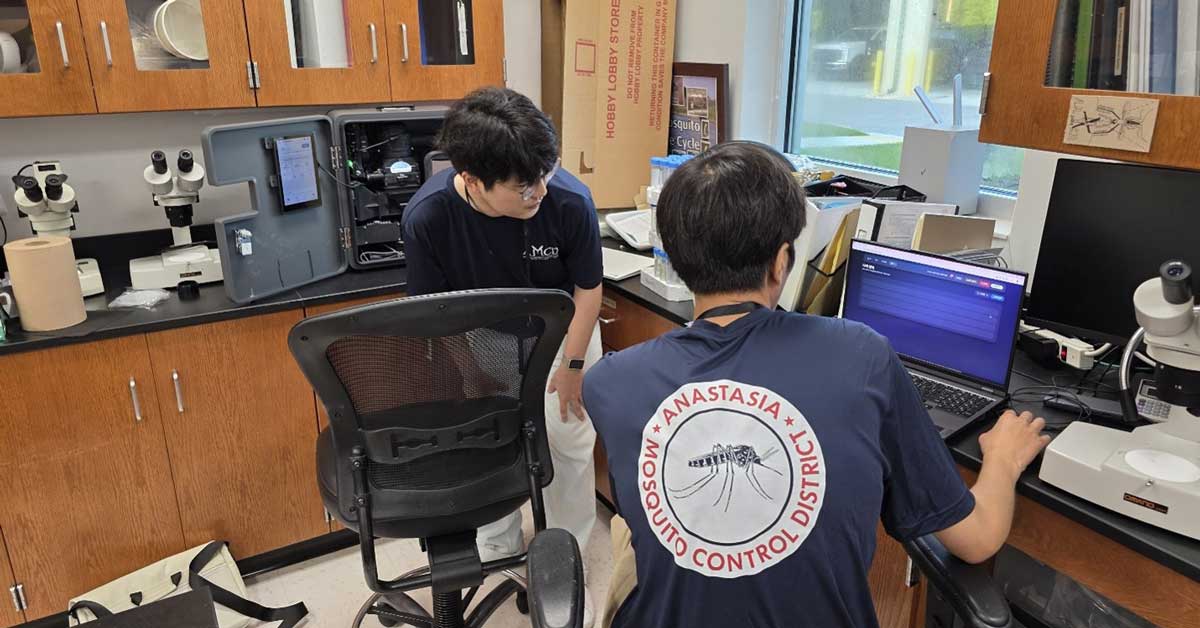
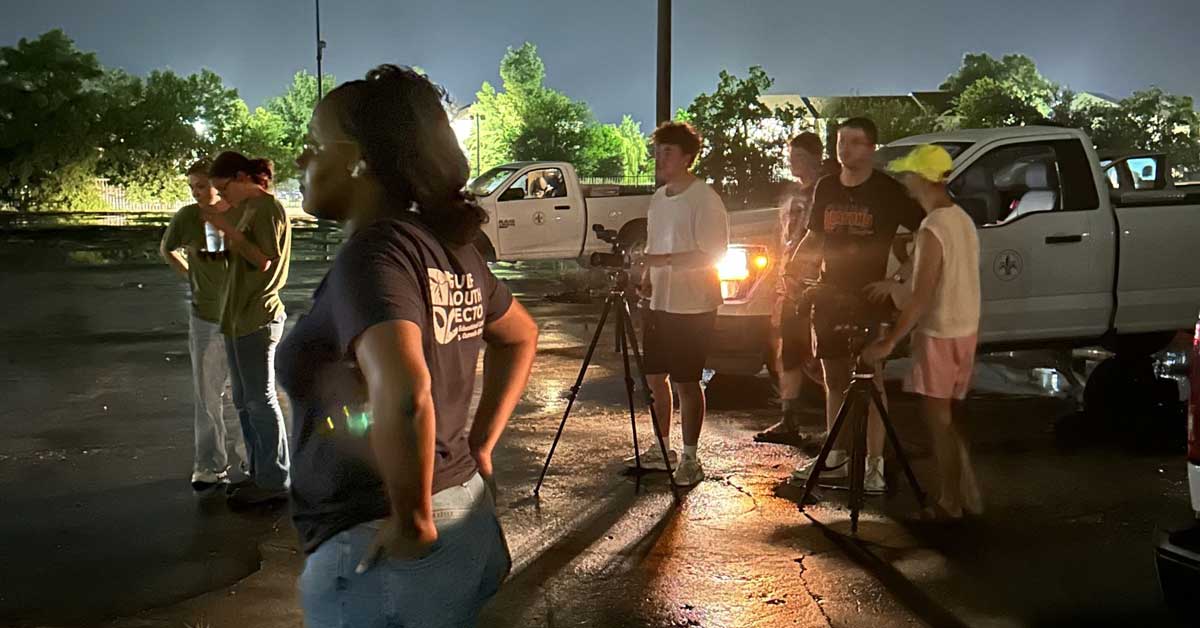
By participating in surveillance, data collection, and abatement activities, interns gain a deeper understanding of how vector-borne diseases are monitored and controlled. They also develop critical skills in fieldwork, laboratory techniques, and community engagement.
Such experiences not only enhance academic learning but also prepare students for careers in public health, research, and environmental science, fields where their contributions can directly impact community health and safety.
Alexandros Pavlakis’ career path illustrates how early training prepares future professionals to protect community health.
A graduate of Tulane University, where he earned a Bachelor of Science in Public Health and a Master of Public Health in Tropical Medicine. He began his career as an intern in 2019 and has worked with the City of New Orleans Mosquito, Termite, and Rodent Control Board ever since.
As an entomologist, Alexandros manages field research projects, conducts weekly arbovirus and mosquito surveillance, and oversees mosquito abatement efforts across Orleans Parish. He also supervises the mosquito larval habitat monitoring program throughout the parish, with a particular focus on discarded waste tires, a key breeding site for disease-carrying mosquitoes.
Video by Claudia Riegel, Gulf South VECTOR