Separate fact from fiction with Gulf South VECTOR’s Myth vs. Fact Social Media Toolkit. This collection of ready-to-share graphics and captions addresses common misconceptions about mosquitoes, rodents, bed bugs, fire ants, spiders, flies, and other pests that can affect public health and quality of life.
Partners are encouraged to use these materials to share clear, evidence-based information, challenge ineffective pest-control practices, and guide audiences toward safer, more reliable approaches to pest and vector management. Download the graphics, pair them with the provided captions, and share them through your organization’s social media channels.
It is a common belief that outdoor and feral cats help keep rodent populations in check, but the evidence tells a different story. Effective rodent control requires more than predation alone. 🐀
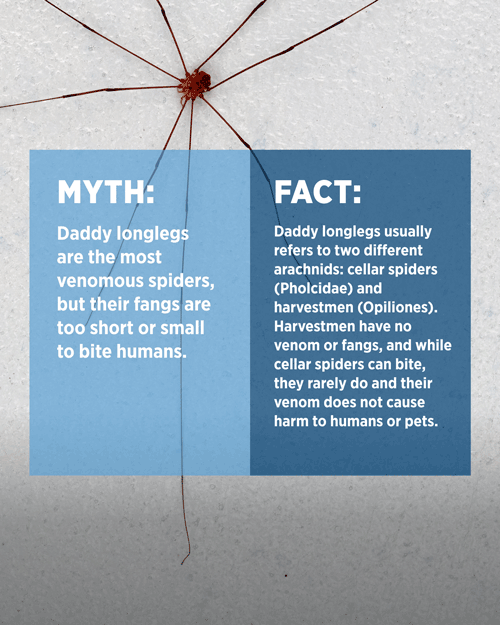
The daddy longlegs venom myth is one of the most persistent in pest control folklore, but it has no scientific basis. Neither cellar spiders nor harvestmen, both commonly called daddy longlegs, pose a meaningful threat to humans. 🕷️
Dryer sheets may smell fresh to us, but they are not an effective deterrent for mice. Rodents are highly adaptable and quickly adjust to new smells and unfamiliar objects in their environment, making scent-based deterrents unreliable for long-term rodent control. 🐀
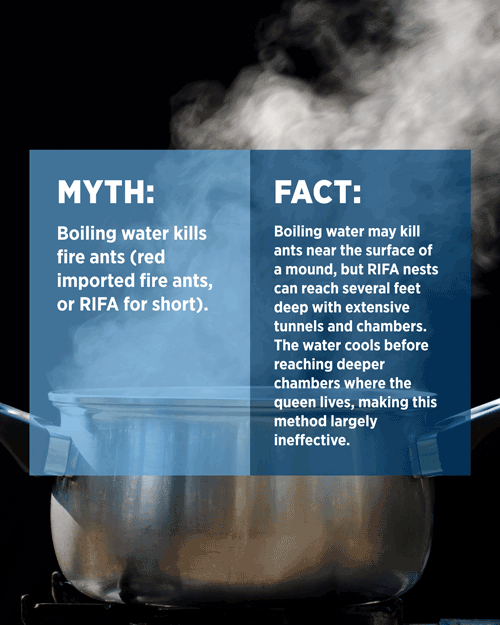
Boiling water may seem like a simple and satisfying solution for fire ant mounds, but red imported fire ant colonies are more resilient than they appear. 🐜
The name “mosquito hawk” suggests a natural predator of mosquitoes. However, what most people call a mosquito hawk is actually a crane fly, and they do not eat mosquitoes. 🦟
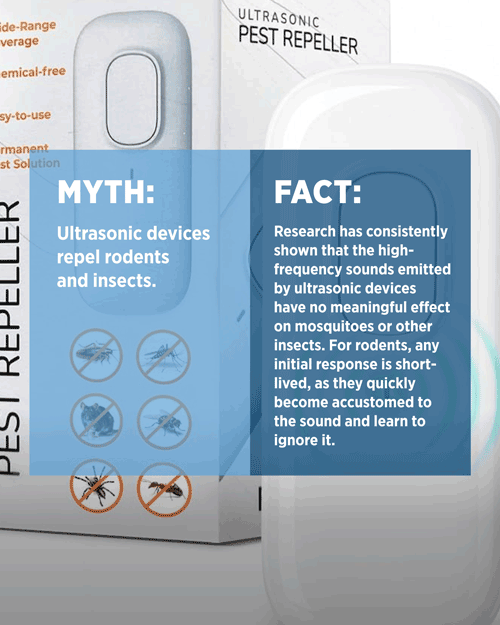
Ultrasonic devices are widely marketed as a chemical-free solution for repelling rodents and insects, but research has consistently shown they are not an effective pest control method. 🔊
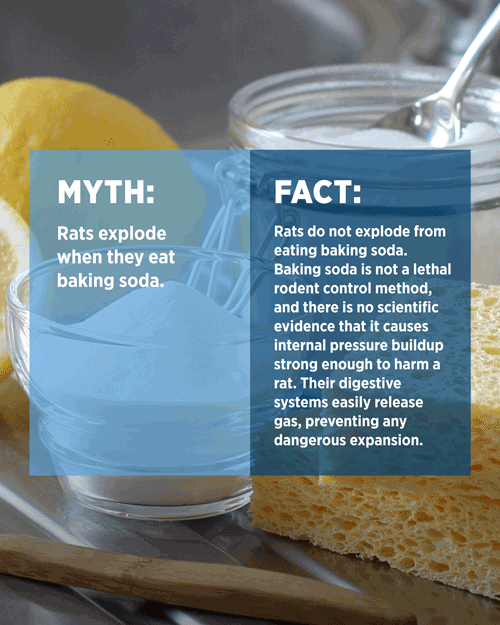
A common claim circulating online suggests that mixing baking soda with sugar or cornmeal will cause a fatal buildup of gases in rats. There is no scientific basis for this idea, and it is not a reliable method of rodent control. 🐀
A common belief is that rats will leave a building in search of water after consuming rodenticide, reducing the chance of dying indoors. This is a myth, and dead rodents can and do turn up inside walls, attics, and other hard-to-reach areas after treatment. 🐀
The idea that hanging a bag of water with pennies will repel flies is a widely shared DIY remedy with several different explanations of how it works. To date, there is no scientific evidence to support this claim. 🪰
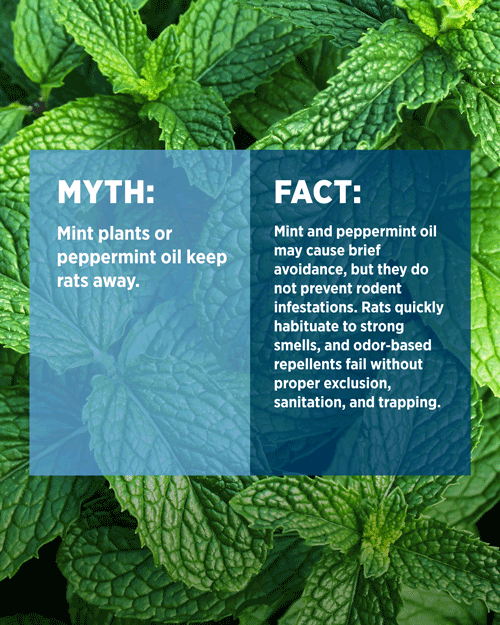
Mint plants and peppermint oil are often recommended as natural rat deterrents, but there is no scientific evidence that they provide reliable or long-term rodent control. Like many scent-based deterrents, rodents can quickly adapt to new smells in their environment. 🐀🌿
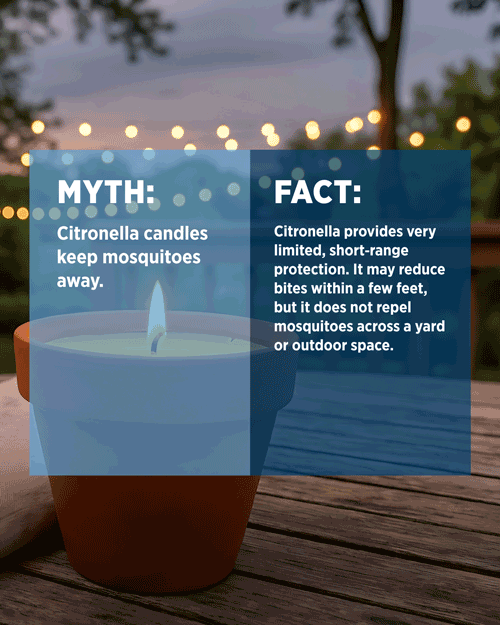
Citronella candles are a popular backyard staple, but research suggests their effectiveness at repelling mosquitoes is limited. They may reduce mosquito activity in their immediate vicinity, but they do not provide the reliable protection of an EPA-registered repellent. 🕯️🦟
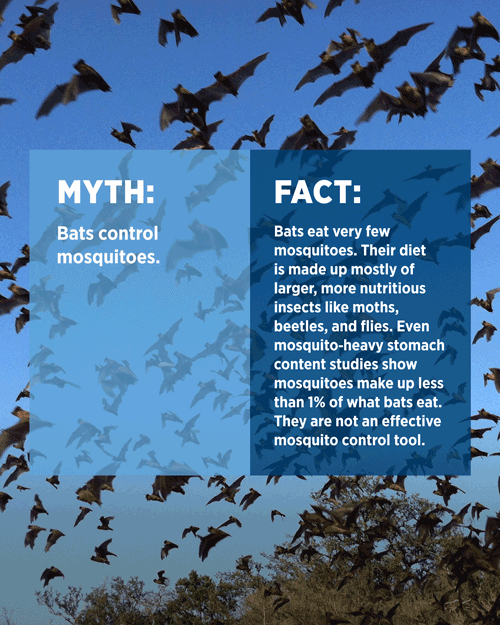
The idea that bats will meaningfully reduce mosquitoes is a myth. Bats are opportunistic feeders that prefer larger insects, and mosquitoes make up only a small fraction of their diet under natural conditions. 🦇🦟
Certain plants are often marketed as natural mosquito repellents, but the evidence supporting their effectiveness is limited. While some plants contain compounds that have repellent properties in concentrated form, simply having them in your garden is unlikely to provide meaningful protection from mosquito bites. An EPA-registered repellent remains the most reliable option. 🌸🦟