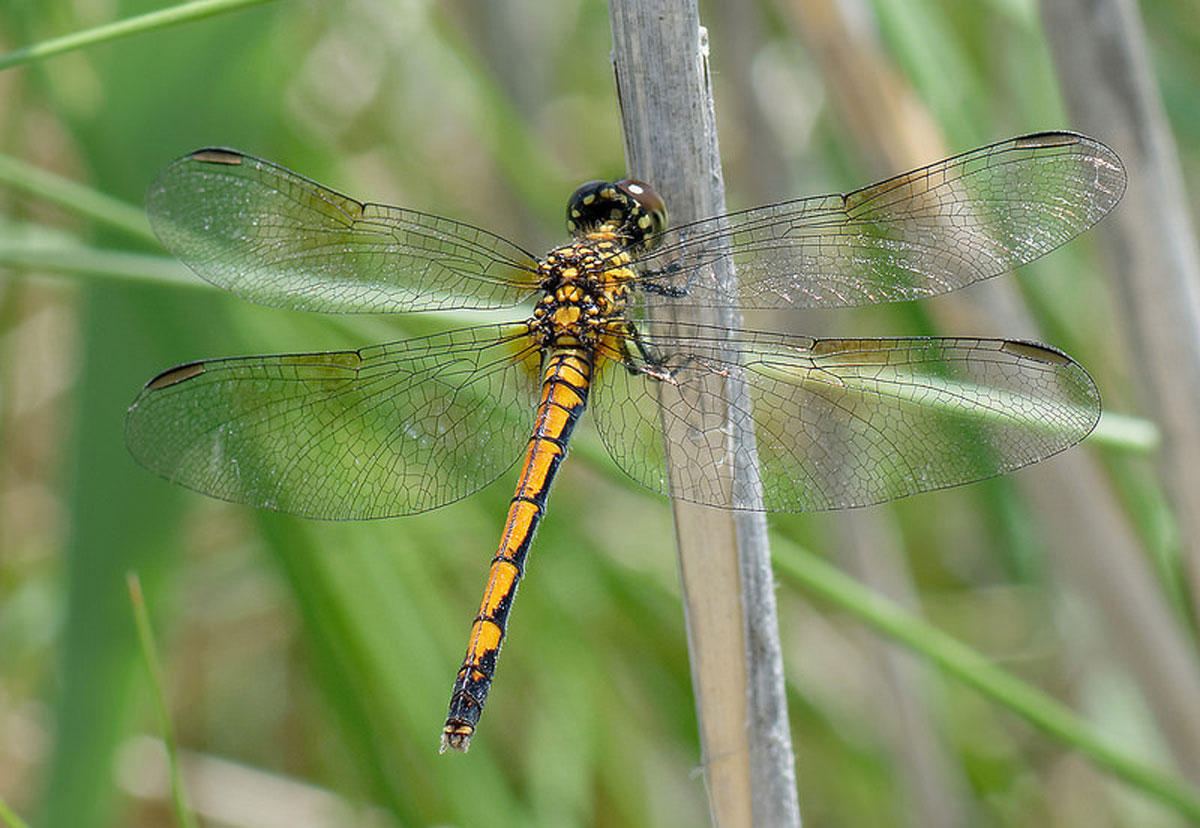
High Salinity Predators
Discover the Seaside Dragonlet, North America’s only saltwater dragonfly, and learn how its fierce aquatic nymphs help control mosquitoes in South Walton County’s salt marshes.
Discover the Seaside Dragonlet, North America’s only saltwater dragonfly, and learn how its fierce aquatic nymphs help control mosquitoes in South Walton County’s salt marshes.
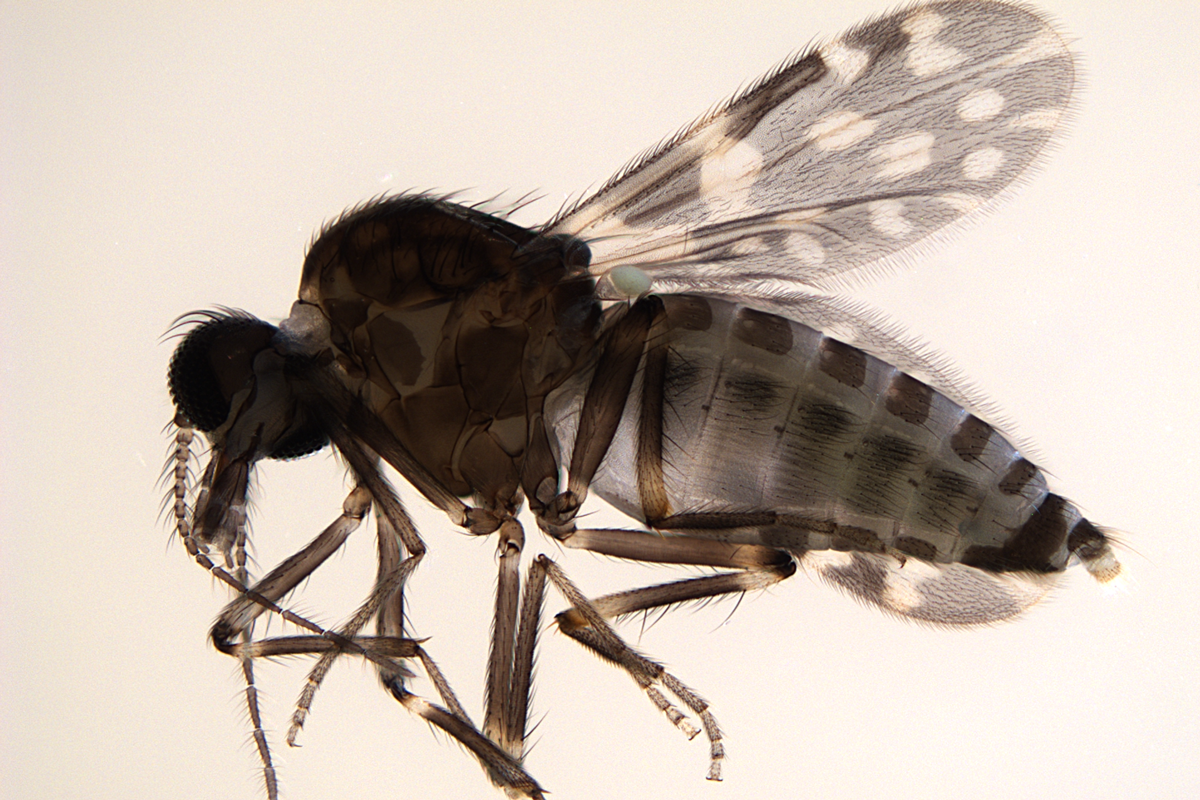
Oropouche virus, a vectorborne pathogen, recently gained international attention. It has been expanding beyond its historically limited range in the Amazon basin, resulting in a 2024 outbreak in Cuba. Concerned about the potential for future introductions into Texas, Harris County Public Health (HCPH) mobilized the Mosquito and Vector Control Division (MVCD) in September 2025 to begin surveying for Culicoides, often called “biting midges” or “no-see-ums” due to their small size. We were particularly interested in collecting Culicoides paraensis, the primary vector of Oropouche virus.
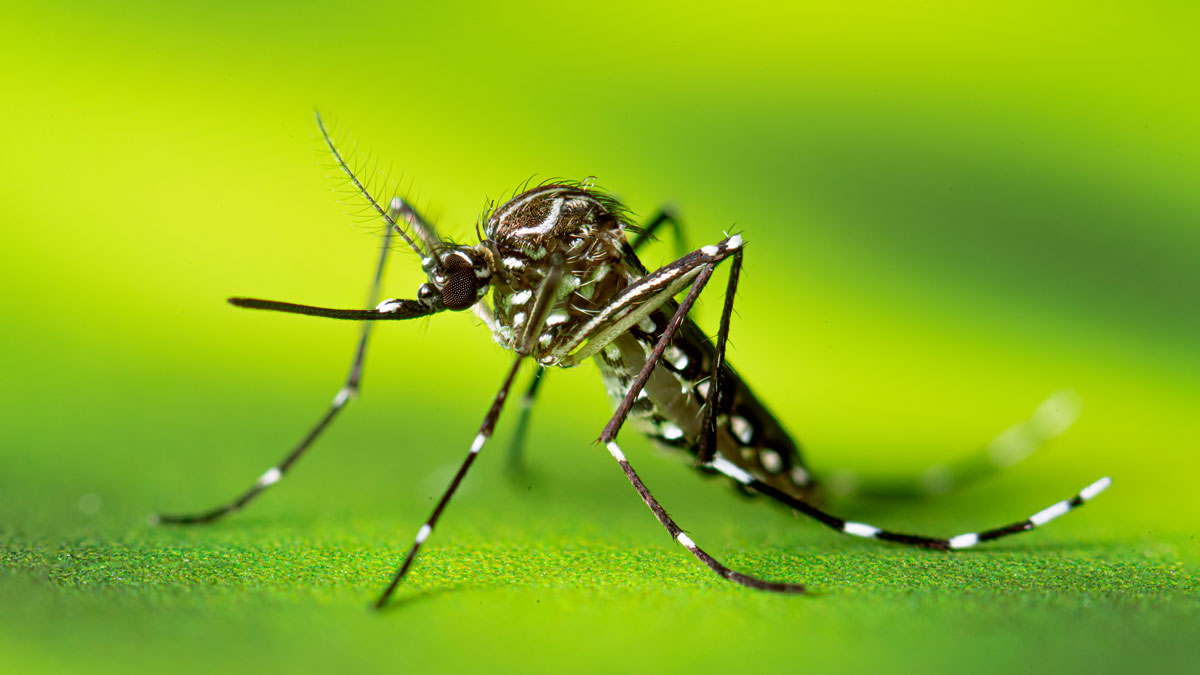
In the United States, several arboviral diseases have expanded geographically and increased in public health importance over the past two decades. Public health professionals are particularly concerned about the potential for dengue outbreaks.

Medical entomologists rely on precise language to communicate scientific findings clearly. Dr. Donald A. Yee examines several commonly misused terms—including “breeding,” “mosquitoes transmit disease,” and “vector” as a verb—and offers more accurate alternatives for discussing mosquito biology, pathogen transmission, and public health.
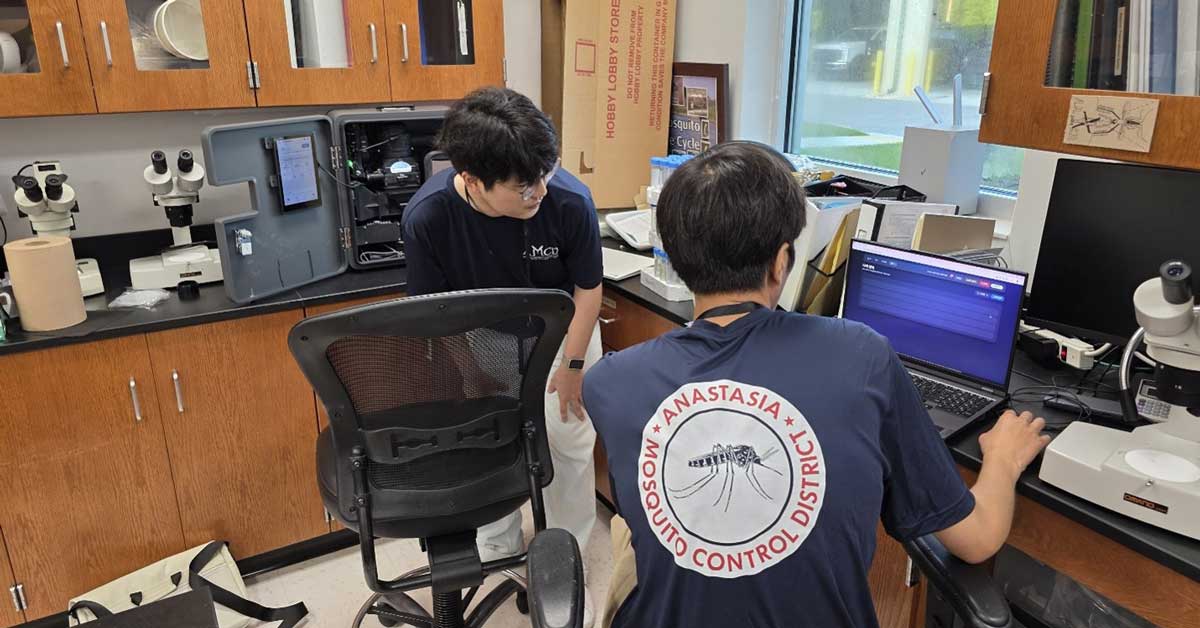
The Anastasia Mosquito Control District’s Disease Vector Education Center celebrated a summer of growth through research, student development, professional collaboration, and community outreach while preparing for new educational opportunities in 2027.
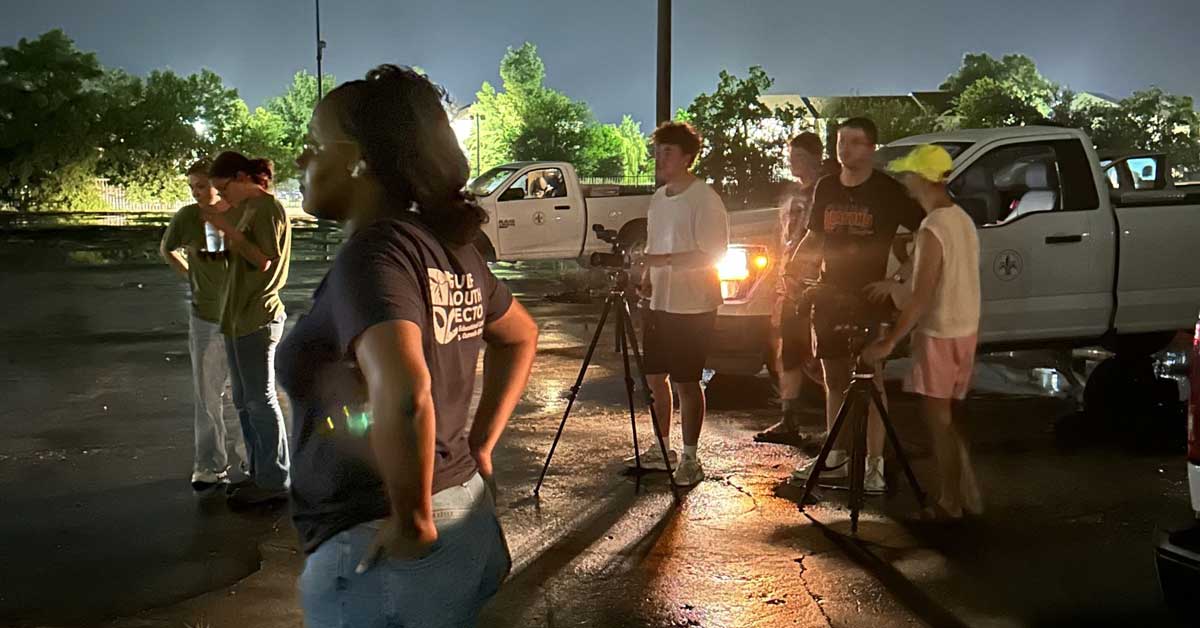
Virginia Tech filmmakers traveled to Louisiana to capture Gulf South VECTOR stories through documentary filmmaking. Working alongside public health and filmmaking professionals, students gained hands-on production experience while creating engaging educational videos about disease vectors, vector control, and community health.
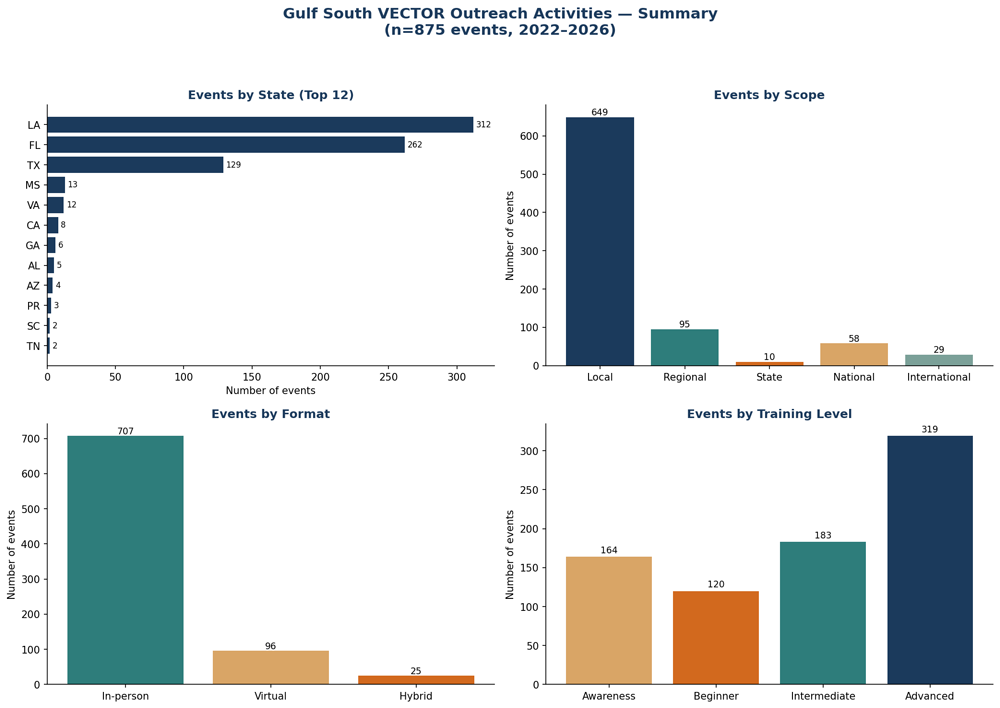
Since 2022, Gulf South VECTOR has strengthened vector-borne disease preparedness through hundreds of training and outreach events, reaching thousands of students and professionals while providing accessible educational resources for communities and public health partners.
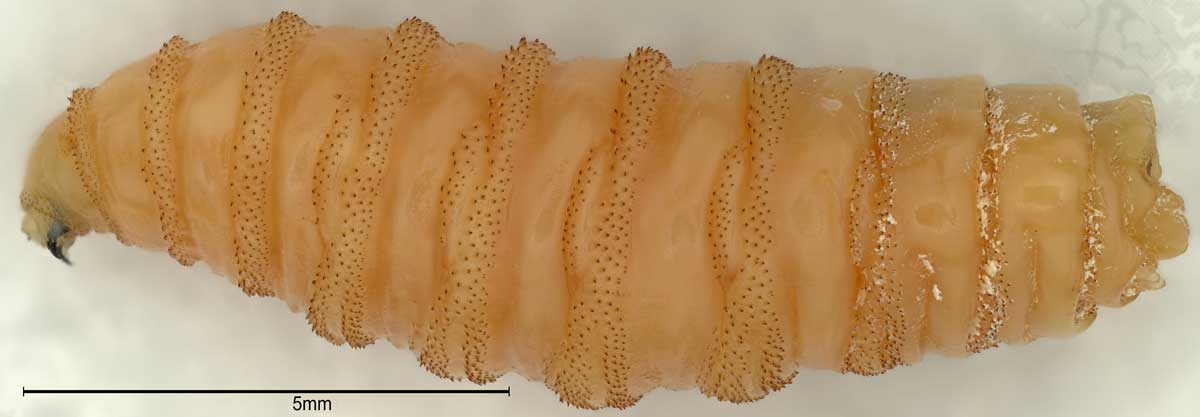
Learn about New World screwworm, including its life cycle, signs of infestation, current U.S. status, reporting requirements, treatment guidance, and resources for animal health and public health professionals.
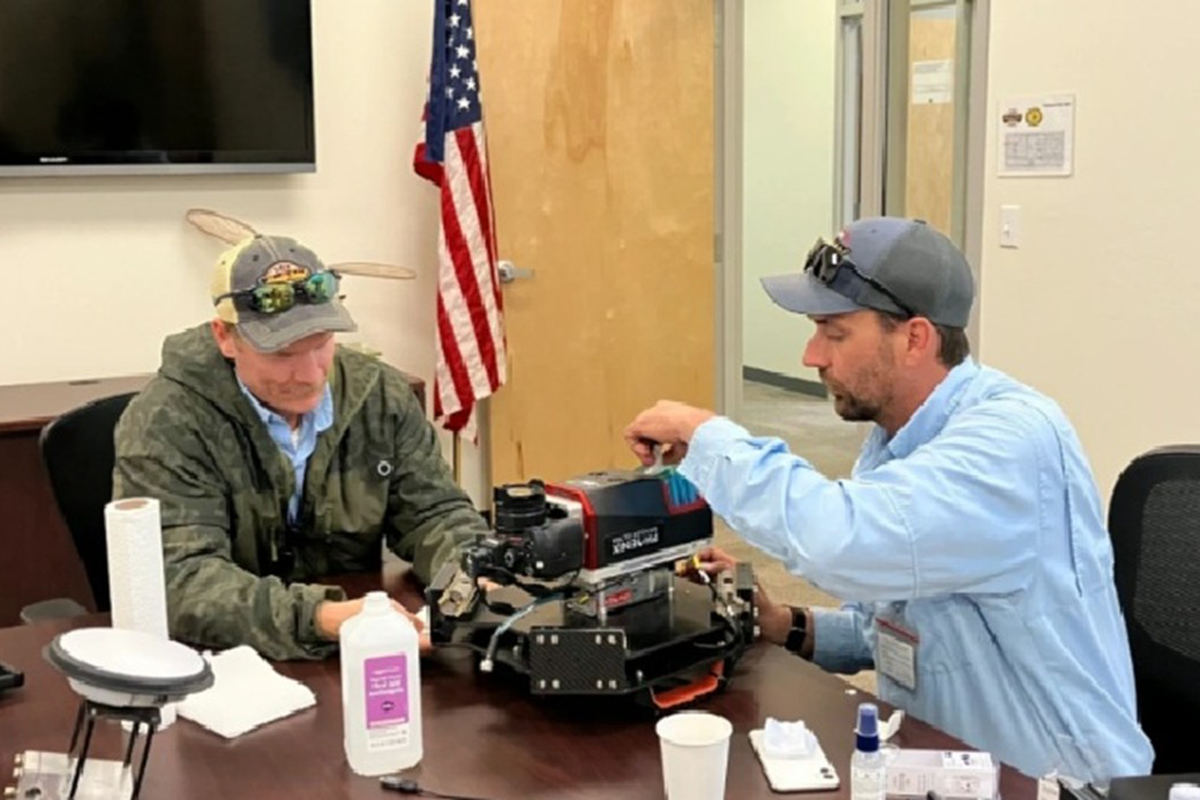
Lee County Mosquito Control District (LCMCD) serves approximately 860,000 residents across 804 square miles (208,235 ha) of coastal southwest Florida, including extensive salt marsh, mangrove, and freshwater habitats that support productive populations of Aedes taeniorhynchus (Wiedemann), Culex nigripalpus Theobald, Anopheles spp., and other nuisance/medically important mosquitoes. Accurate mapping of mosquito larval habitats is essential for cost-effective deployment of control measures, particularly in coastal environments where tidal flooding and rainfall interact to create prolific larvae development conditions.
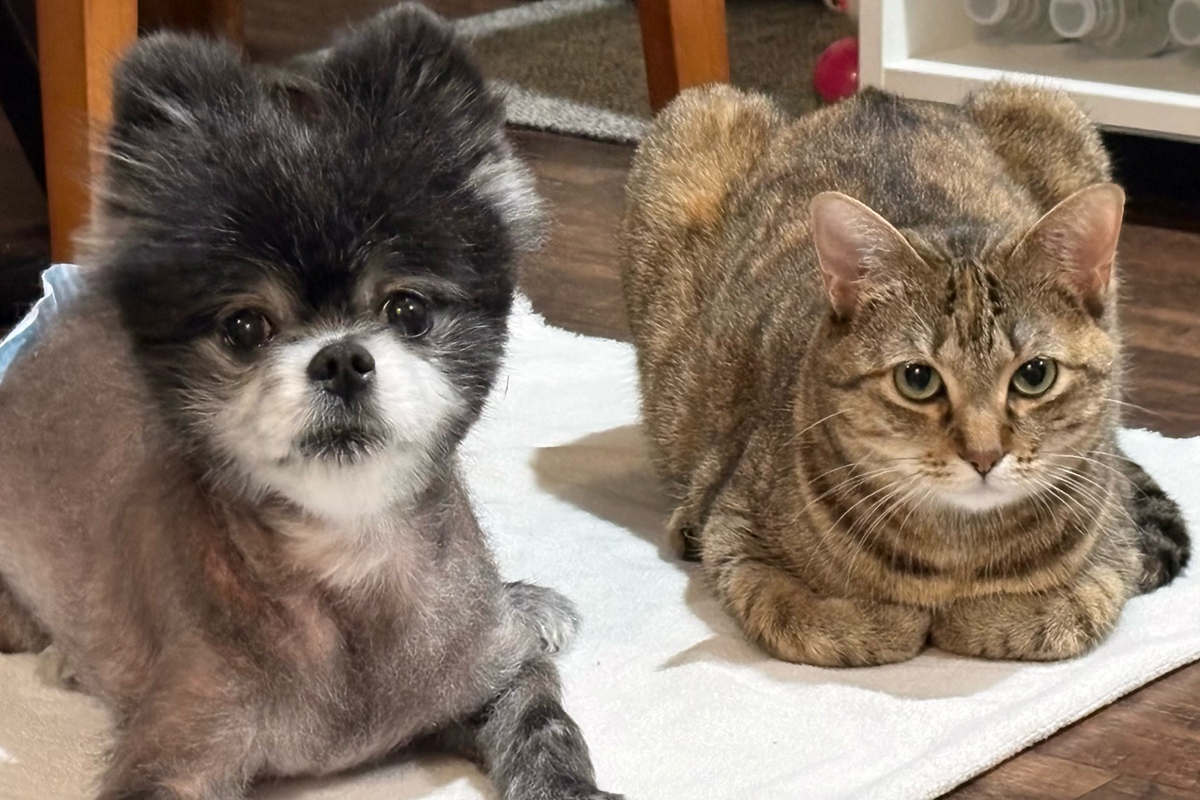
One Health is an “integrated, collaborative approach that balances and optimizes the health of people, animals, and ecosystems” (WHO, 2026). Animal health professionals play a critical role in protecting and preserving the health of humans, animals, and the environment, particularly during disasters.