South Walton County has a diverse array of aquatic habitats. One of the habitats that makes this area unique is its salt marshes. Salt marshes are characterized by highly saline waters that support many specialized organisms, including North America’s only saltwater dragonfly.
Meet the Seaside Dragonlet
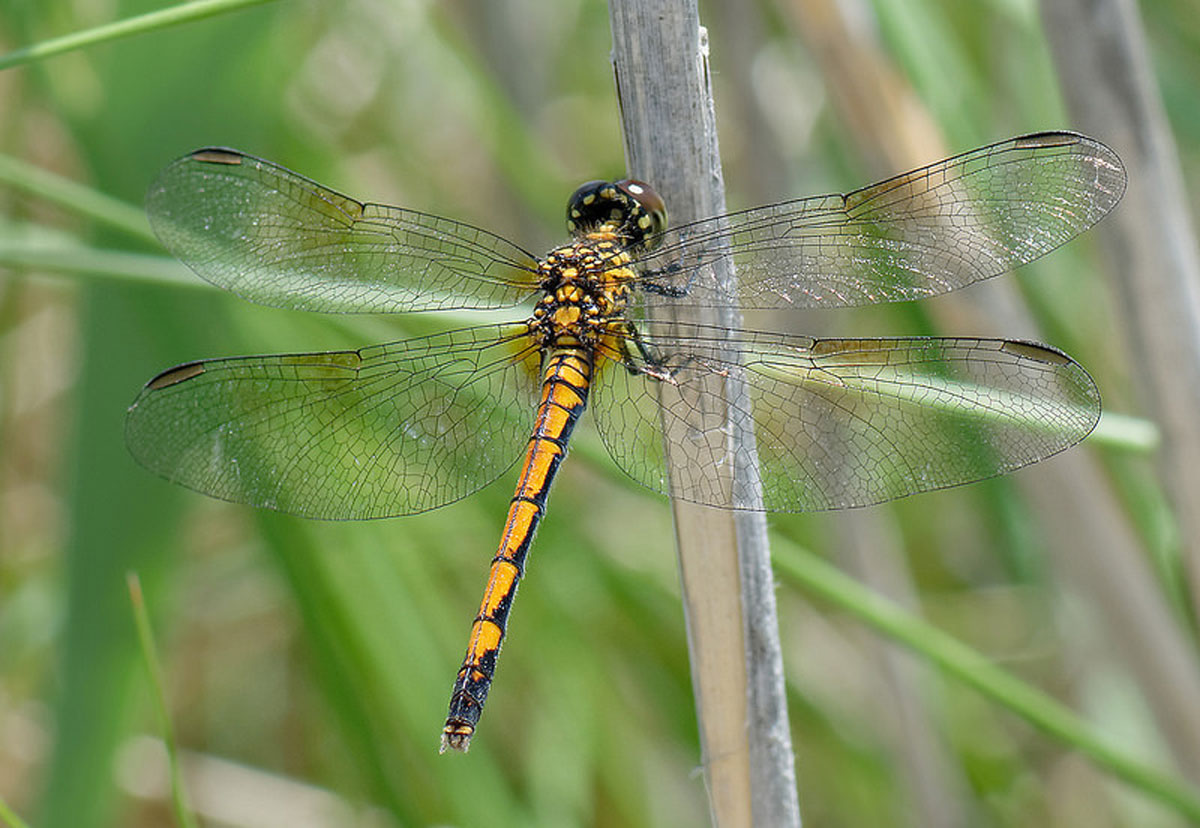
While most dragonflies prefer freshwater ponds and lakes, the Seaside Dragonlet (Erythrodiplax berenice) has carved out its own salty niche in the marsh. The Seaside Dragonlet lives almost exclusively in salt marshes, with a range that stretches along the Atlantic and Gulf coasts from Canada to Mexico.

Photo by: Steve Scholnick

Photo by: Bonnie Ott
A Fierce Underwater Predator
Like mosquitoes, dragonflies have an aquatic immature stage. However, unlike mosquitoes, dragonflies undergo incomplete metamorphosis, developing from egg to nymph (or naiad) and then to adult. Dragonfly nymphs are fierce predators that feed on a variety of aquatic macroinvertebrates.
Nymphs possess a hinged lower jaw called a labial mask that can shoot forward in a split second to capture unsuspecting prey and pull it toward their mouth. If you have ever seen the creature from the movie Alien launch its inner jaws, you have a rather good idea of what a dragonfly nymph looks like at feeding time!
Check out this video of a dragonfly nymph feeding.
A Natural Mosquito Predator
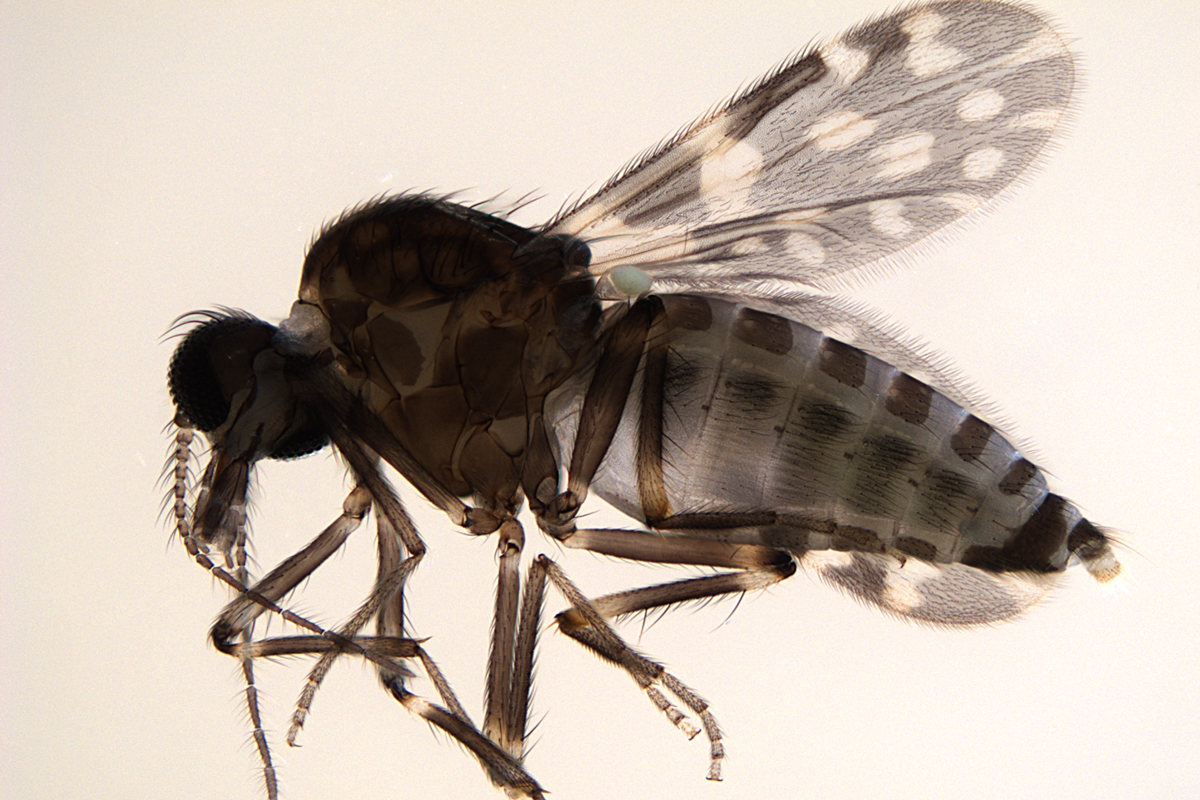
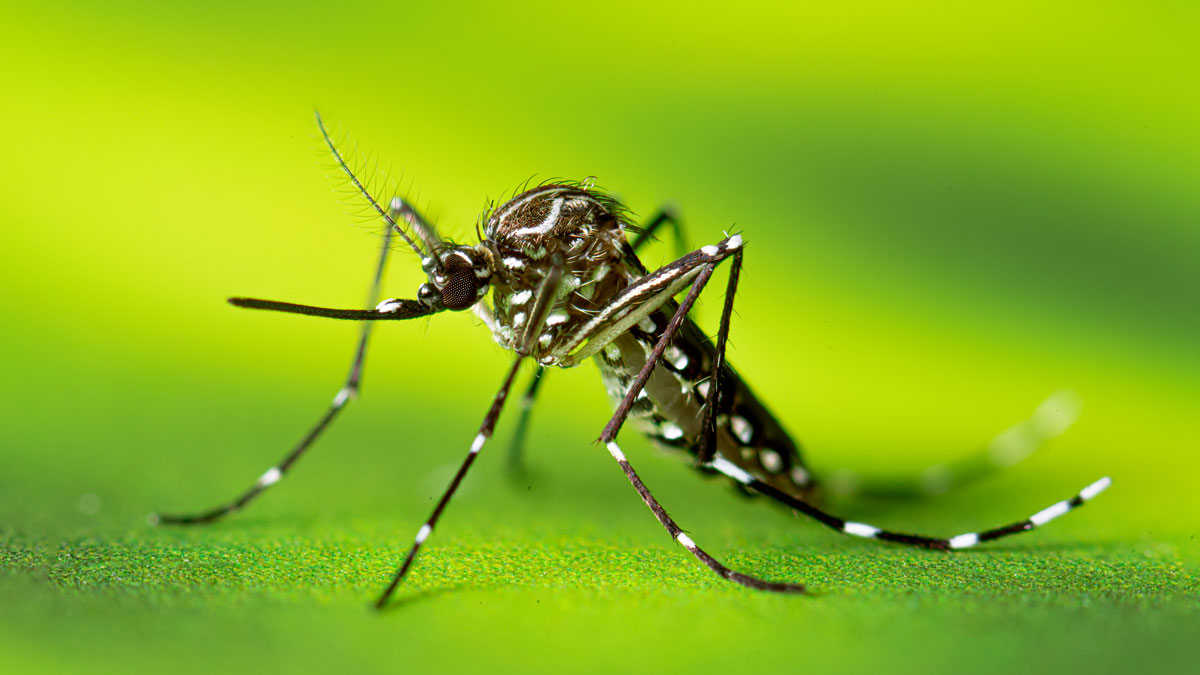
Dragonfly nymphs are important predators that help keep mosquito populations in check before the adults emerge and begin taking blood meals. In South Walton County’s salt marshes, two common mosquito species are the black salt marsh mosquito (Aedes taeniorhynchus) and the eastern salt marsh mosquito (Aedes sollicitans). The Seaside Dragonlet shares these marshes with them and is one of their natural predators.
So, the next time you walk through a salt marsh, remember that beneath the water’s surface, a miniature battle is taking place. Tiny dragonfly nymphs patrol the marsh like underwater superheroes, helping control mosquitoes and keeping this unique ecosystem in balance.
Fun Fact: Adult Seaside Dragonlets are known for being surprisingly sedentary. One study found that they spend more time perched than flying (Wilson, 2008).
Contributing Author
Loren Campbell, Biology Assistant
South Walton Mosquito District Entomology Department
Sources
About Seaside Dragonlet – Maryland Biodiversity Project. (2018). Retrieved June 24, 2026, from Maryland Biodiversity Project website: https://www.marylandbiodiversity.com/species/721
Wilson, W. H. (2008). The Behavior of the Seaside Dragonlet, Erythrodiplax berenice (Odonata: Libellulidae), in a Maine Salt Marsh. Northeastern Naturalist, 15(3), 465–468. https://doi.org/10.1656/1092-6194-15.3.465