Culicoides Surveillance Program Overview
Oropouche virus, a vectorborne pathogen, recently gained international attention. It has been expanding beyond its historically limited range in the Amazon basin, resulting in a 2024 outbreak in Cuba. Concerned about the potential for future introductions into Texas, Harris County Public Health (HCPH) mobilized the Mosquito and Vector Control Division (MVCD) in September 2025 to begin surveying for Culicoides, often called “biting midges” or “no-see-ums” due to their small size. We were particularly interested in collecting Culicoides paraensis, the primary vector of Oropouche virus. As a part of our Culicoides surveillance initiative, our research team has modified CDC light traps to collect these tiny flies and mosquitoes in separate compartments. We have also developed an image and wing database of local Culicoides species and have begun training surveillance personnel in identification techniques. With a team of four, we have collected not only C. paraensis but numerous other Culicoides species in Houston, TX. We hope to spread our message to other public health agencies on how we designed our traps, determined sites, and prepared training materials for our surveillance team. With this information, we hope to provide other vector agencies with resources to survey for Culicoides.
Trap Design
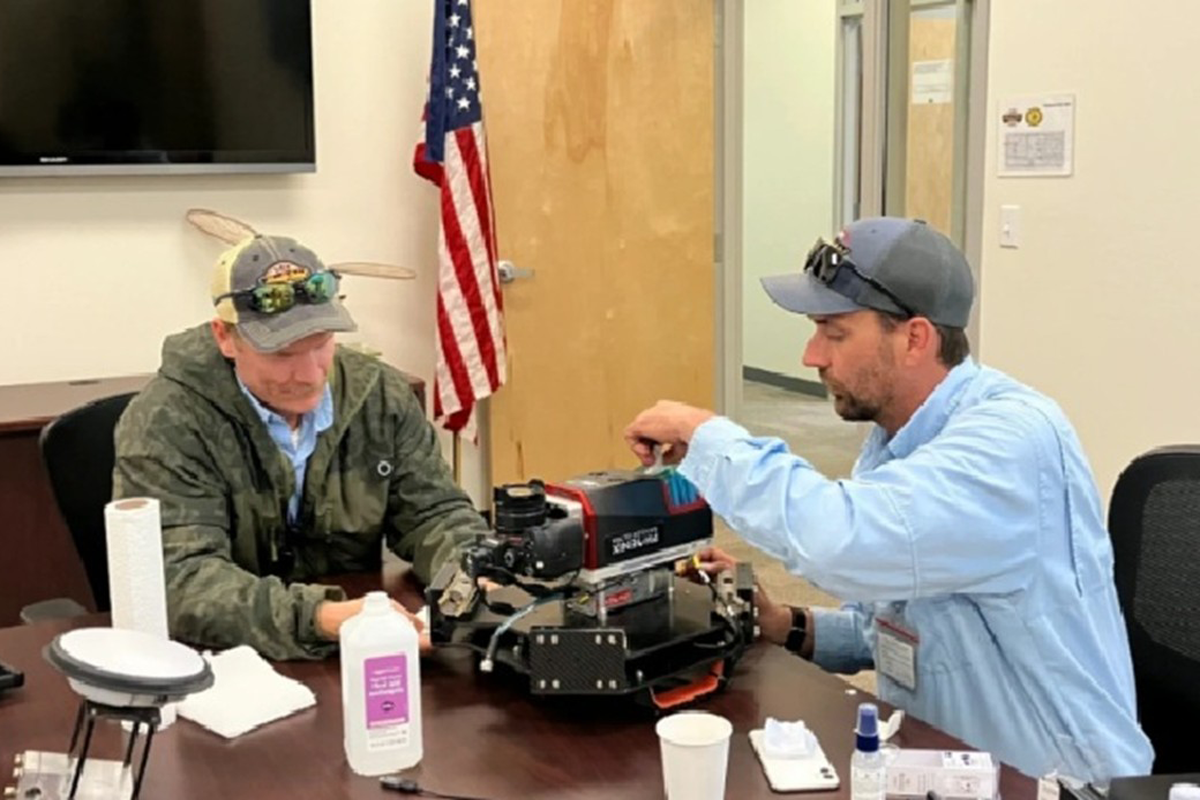
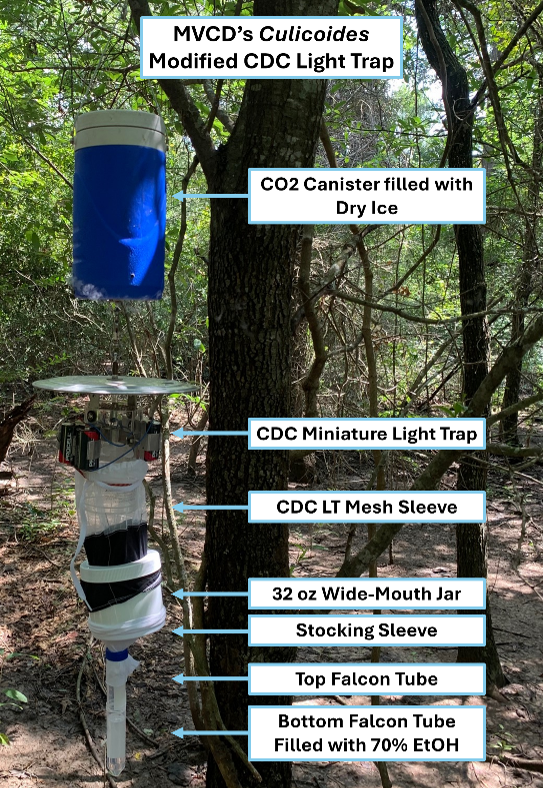
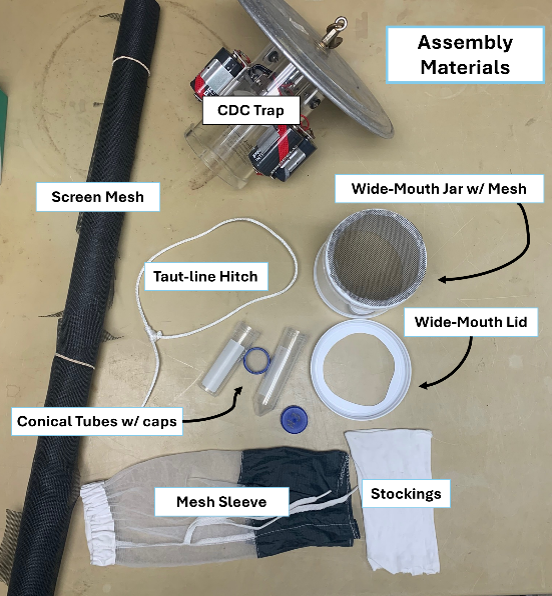
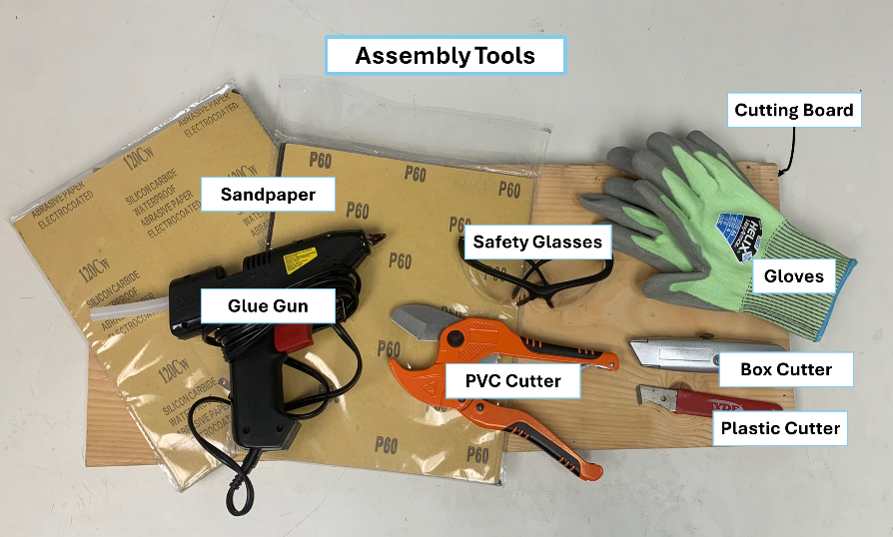
Luckily for us, we did not need to reinvent the wheel on designing a Culicoides trap. Leigh-Anne Lawton sent us a modification guide designed by Nathan Burkett-Cadena titled “Modifying CDC Light Trap Chambers for Mosquito and No-see-um Collection” that is readily available online. Our design follows the exact same principle as Burkett-Cadena’s; insects fly through the opening of the CDC Miniature Light Trap, travel through a mesh sleeve, where larger insects are collected in a dry chamber and the smaller samples, like Culicoides, fall through a mesh and into a conical tube filled with 70% ethanol. We simplified the design a bit to make it a little cheaper and easier to disassemble for cleaning (Figure 1). These components were inexpensive through common laboratory and industrial suppliers (Figure 2), and the construction tools would be readily available from most workshops (Figure 3). Our most recent improvement has been replacing the rope used to hold the stocking sleeve with bungee cord, making it easier for most technicians to fasten the trap without needing to know how to adjust the knot. For more information, our SOP on designing our trap is available upon request.
Surveillance Efforts
We chose sites based on two traits: their suitability for Culicoides and their proximity to people. To do so, we selected wooded habitats that are frequently damp in areas where people might encounter Culicoides, i.e., areas at or near heavy foot traffic. To maintain good relations, we created agreements with contacts at these sites. Currently, we are placing at five sites and with a few additional sites available in case we need to expand operations.
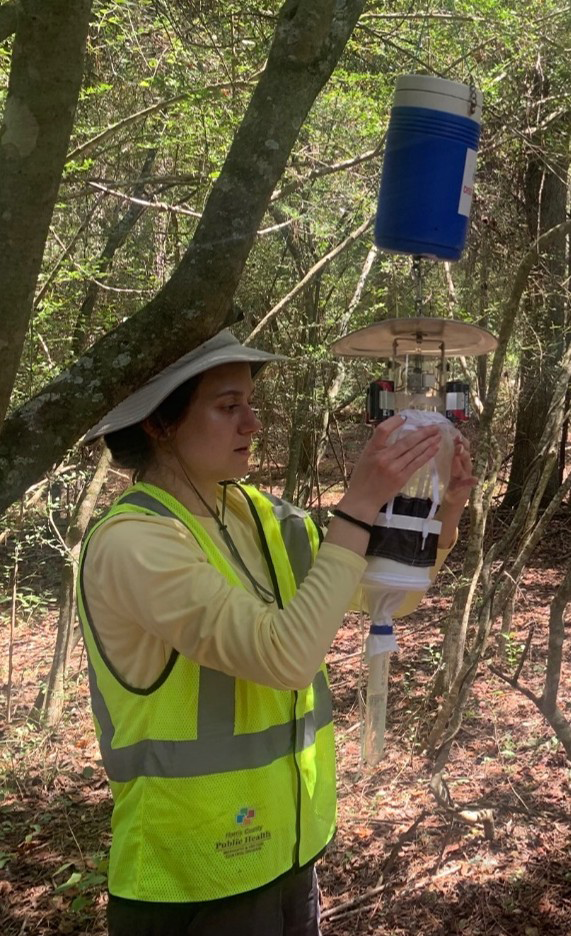
We have been placing three or more traps at each site. We have been placing at two sites one week and three sites the following week (Figure 4). Given the small size of the team, having only five sites total has allowed us to process and identify samples within a reasonable timeframe. As of June 2nd, we have morphologically identified 190 Culicoides from 17 species, including five C. paraensis. We plan to continue surveying for a full year before determining if these operations are worth maintaining.
Internal Training Materials
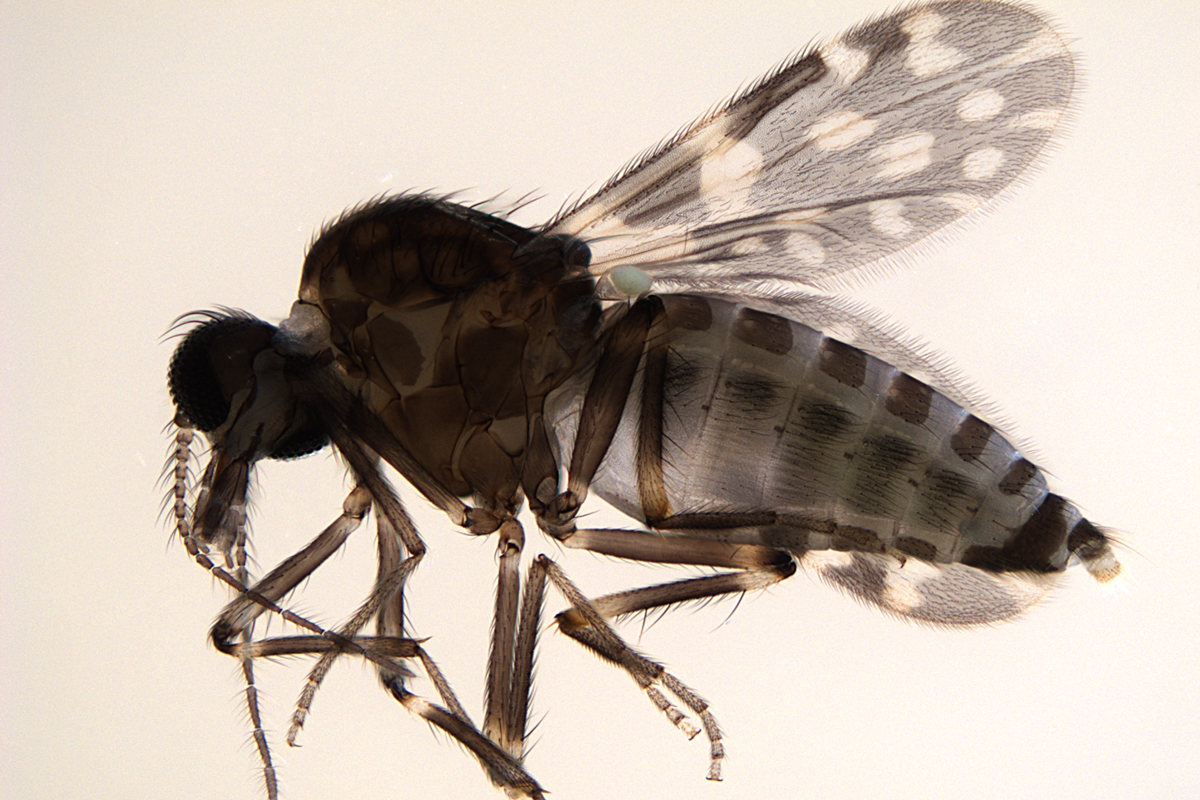
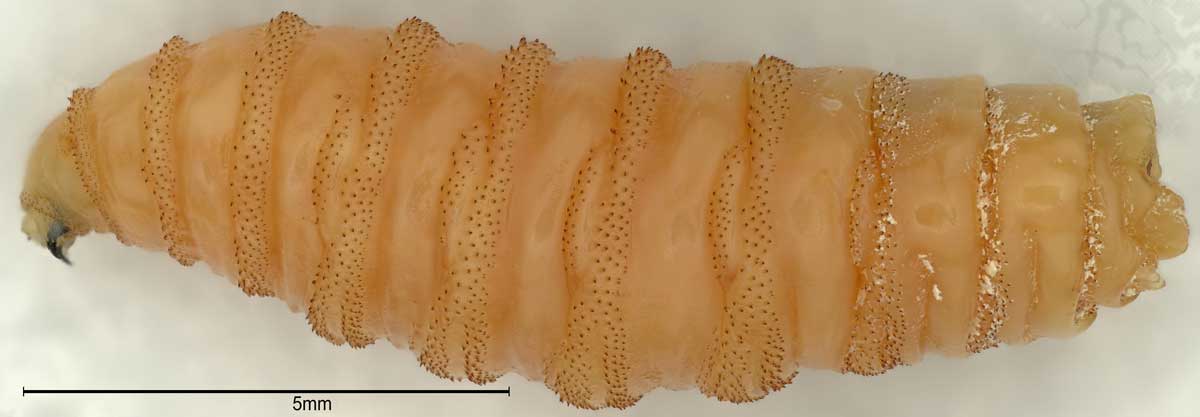
One of the largest challenges in establishing a Culicoides surveillance program has been identifying our Culicoides samples to species. As there is no Gulf Coast key for Culicoides outside of Florida, we have been relying on multiple keys originating from Culicoides collected in Florida, Mexico, Utah, and Canada to identify our samples. So far, only the Atlas of Wing Photographs (Wirth et al. 1985) has all the species we have found, yet the images from the PDF that we can access are faded. To make sure we have a regional key, we have been imaging whole body and wing samples for our species (Figure 5) and storing wing mounts for internal trainings. Furthermore, we have designed an SOP for dissecting and mounting wings and imaging Culicoides, available upon request. These resources provide a growing regional collection for reference for training staff, quality assurance, and future surveillance efforts in the Texas region.
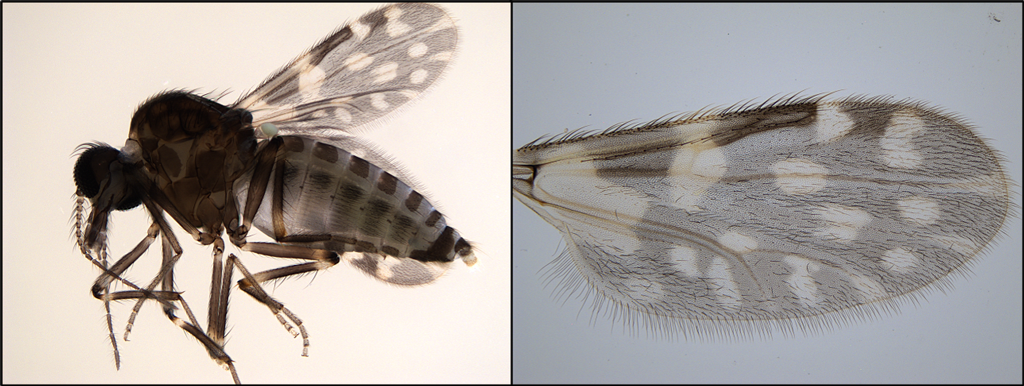
However, providing regional images, wing mounts, and relevant keys are not enough for these tricky-to-identify flies. To further support our education efforts, Cierra Briggs, our Entomologist at MVCD’s research section, has designed presentation slides to educate our surveillance team members about Culicoides and how to distinguish them to other Ceratopogonidae that look like Culicoides. These trainings have allowed our surveillance section to be ready to mobilize in case Oropouche virus transmission appeared during the local FIFA World Cup matches. Such efforts also support future international events that may come Houston’s way.
The Next Steps for Culicoides Surveillance
Contributing Author
Alden Siperstein, PHS
Testing & Evaluation and Alternative Mosquito Control and Applied Research Manager, Harris County Public Health
Photos provided by Alden Siperstein