The Importance of a One Health Approach to Address the Expansion of Arboviral Diseases Such as Dengue Virus and West Nile Virus in the United States
In the United States, several arboviral diseases have expanded geographically and increased in public health importance over the past two decades. Public health professionals are particularly concerned about the potential for dengue outbreaks.
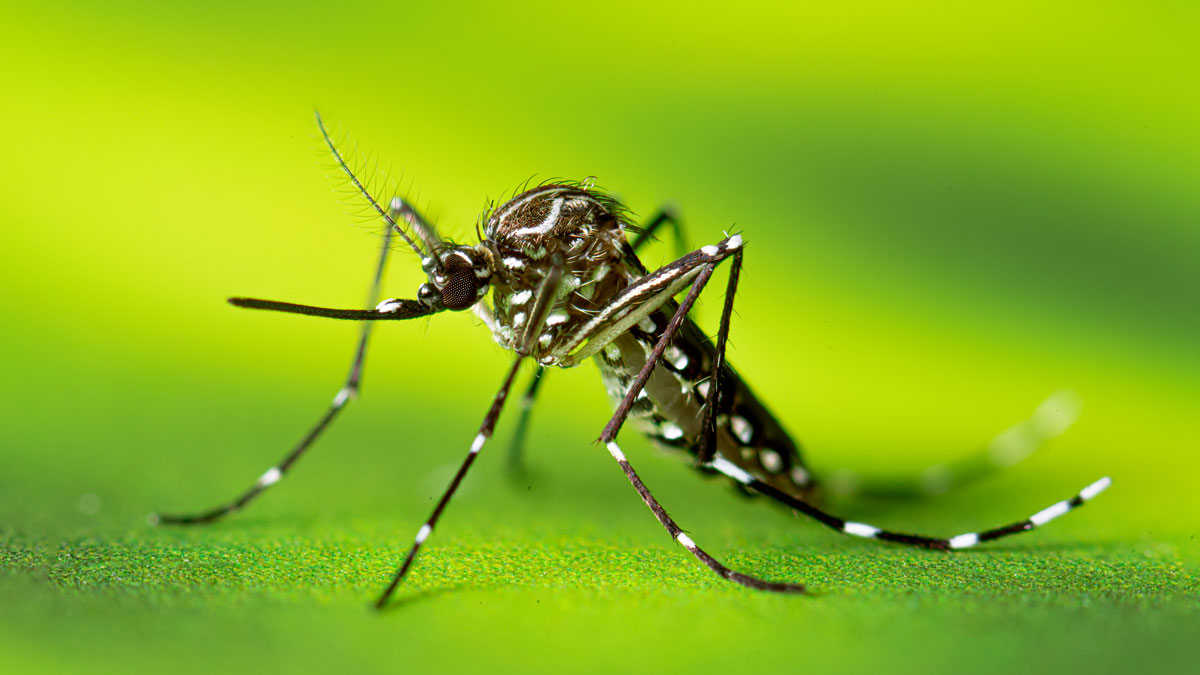
The World Health Organization (WHO) identifies dengue as the most prevalent mosquito-borne viral disease affecting humans worldwide, with an estimated 100 to 400 million infections occurring annually. Dengue is an arboviral disease primarily transmitted by infected Aedes aegypti and Aedes albopictus mosquitoes. Symptoms typically occur 4 to 10 days after an infected mosquito bite and can range from mild illness, including fever, severe headache, muscle and joint pain, nausea, and vomiting, to severe and potentially life-threatening forms of the disease, such as dengue shock syndrome (DSS) and dengue hemorrhagic fever (DHF). Both DSS and DHF can have case-fatality rates of up to 20% if patients do not receive timely treatment.
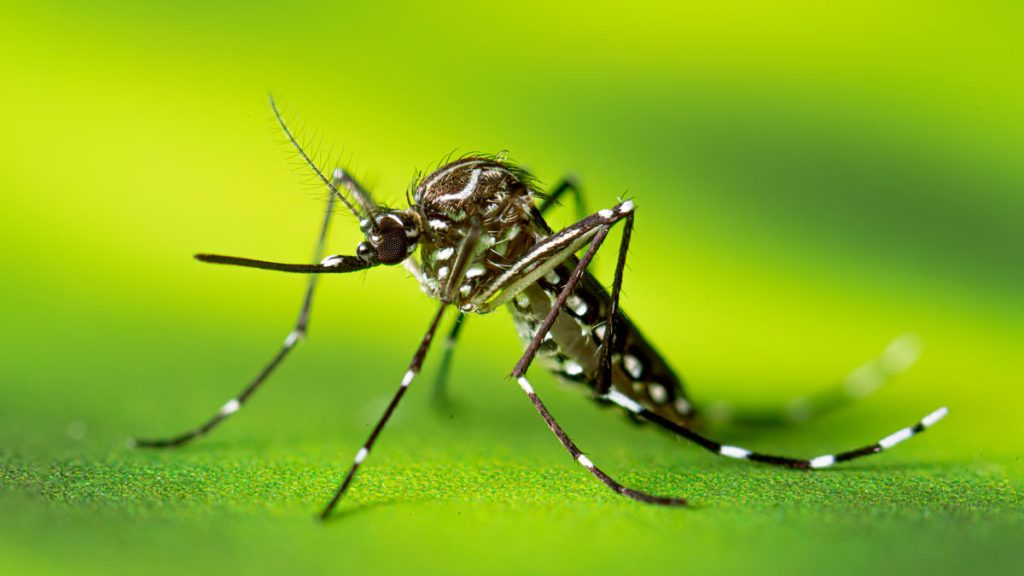
Photo by: Lauren Bishop; Brandon Clifton, CDC Public Health Image Library
Although nearly all dengue cases reported to the Centers for Disease Control and Prevention (CDC) in 2024 were travel-associated (n = 3,936 reported cases), more than 105 cases were locally acquired (autochthonous). In 2024, Florida reported 85 locally acquired dengue cases, while California and New York each reported 18 locally acquired cases. Locally acquired cases occur when an infected mosquito in the United States bites a viremic person, such as someone who acquired dengue while traveling abroad, and subsequently transmits the virus to another person.
The increase in locally acquired dengue cases highlights the growing risk of local outbreaks in areas where Aedes mosquitoes are established. Furthermore, these cases indicate that local mosquito transmission is occurring in regions where competent mosquito vectors are present and where people are exposed to infected mosquitoes.
Dengue and the One Health Approach
Dengue is an excellent example of why a One Health approach is needed. The One Health approach is a collaborative, multisectoral, and transdisciplinary framework that recognizes the interconnectedness of human, animal, plant, and environmental health. It promotes coordinated action across these sectors to achieve optimal health outcomes for people, animals, and ecosystems. The One Health approach is increasingly recognized as essential for addressing the growing burden of vector-borne diseases in the United States because these diseases emerge at the intersection of people, vectors, animals, and environmental conditions. Rising temperatures and changing rainfall patterns can expand mosquito habitats and prolong transmission seasons, creating conditions that favor the emergence and spread of arboviral diseases.
Addressing the increasing burden of arboviral diseases in the United States requires integrated surveillance systems, environmental management, and community participation to reduce disease transmission.
Integrated Surveillance: Tracking Disease and Vectors

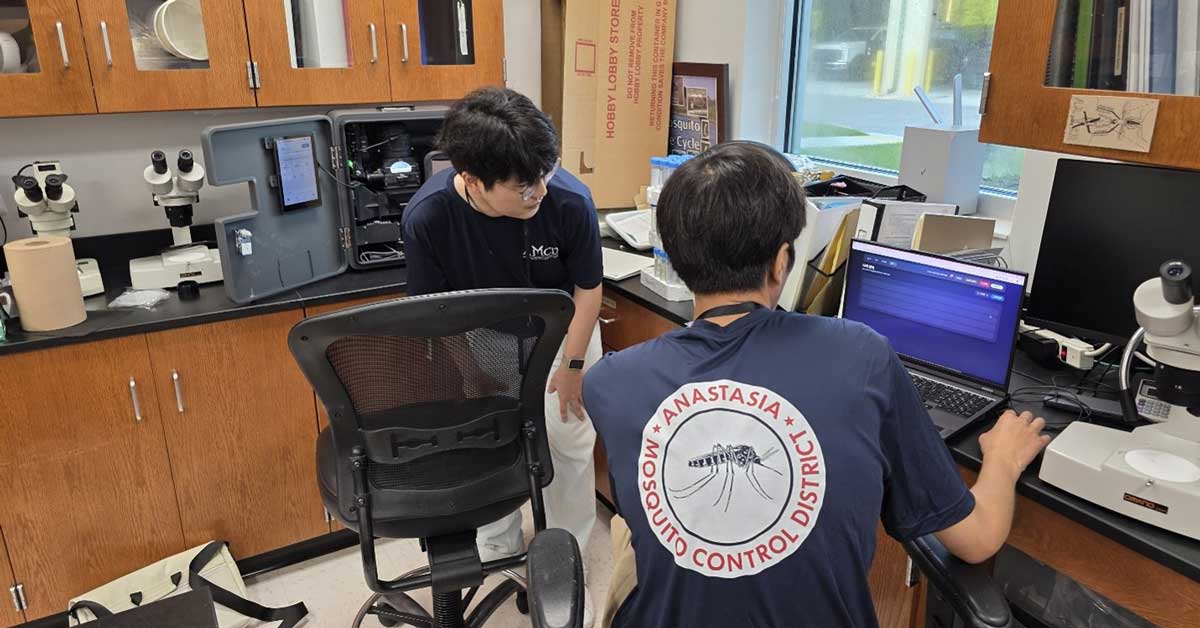
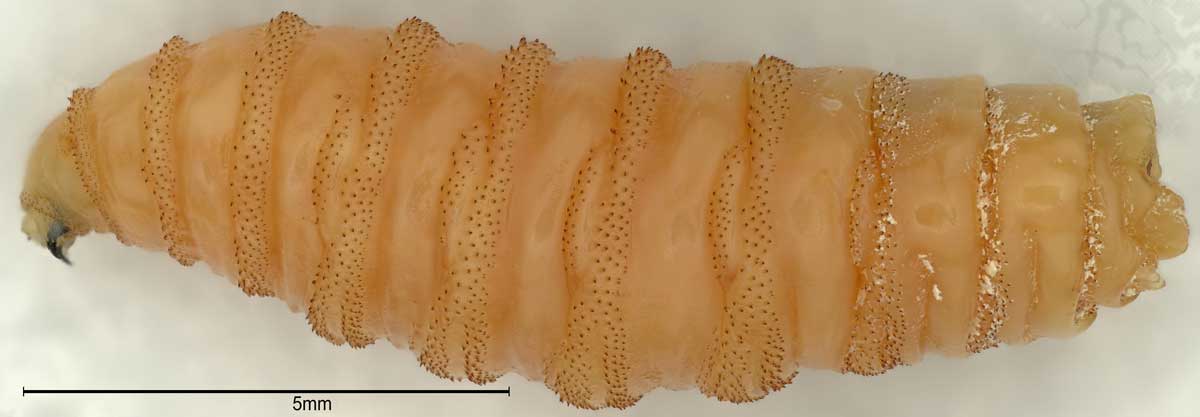
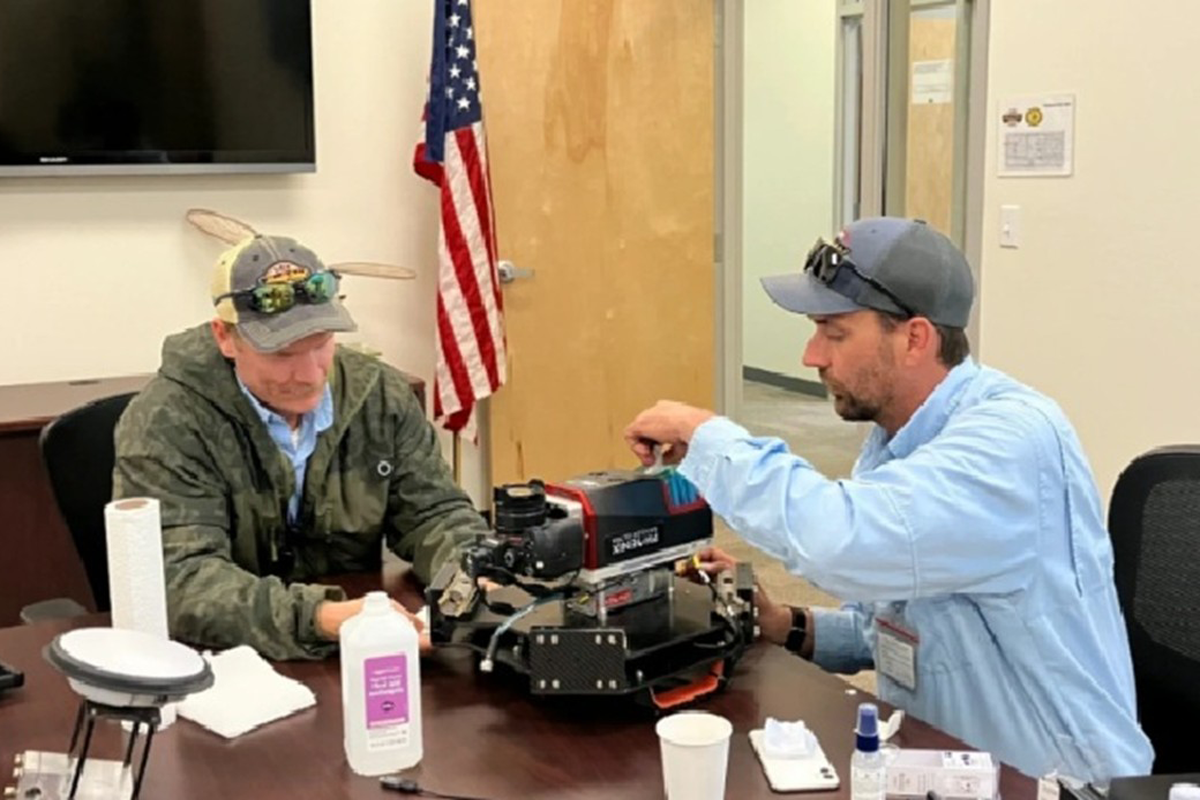
Photo by: Jennifer Bushnell St. Tammany Parish Mosquito Abatement
An excellent example of an integrated surveillance system is ArboNET, the national arboviral surveillance system maintained by the CDC. ArboNET tracks arboviral infections in humans, presumptive viremic blood donors, veterinary disease cases, mosquitoes, and birds.
ArboNET also collects data on West Nile virus (WNV), which has become endemic in the United States since its first outbreaks in New York City and Louisiana in 1999 and 2001, respectively. Birds serve as amplifying hosts for West Nile virus, meaning that the virus replicates in birds and is subsequently acquired by mosquitoes that feed on infected birds. These mosquitoes can then transmit the virus to humans and unvaccinated horses. Humans and horses are considered dead-end hosts because they do not develop sufficient viremia to infect feeding mosquitoes, thereby preventing further transmission. ArboNET collects data on both human WNV infections, including West Nile fever, neuroinvasive disease, and viremic blood donors, as well as non-human activity, including veterinary disease and infections detected in mosquitoes, birds, or sentinel animals.
Community Participation in Disease Prevention
Environmental management is essential for reducing mosquito breeding sites and limiting disease transmission. This includes the application of adulticides to reduce adult mosquito populations in areas where human cases have been identified and larvicides to eliminate mosquito larvae. Additional measures include eliminating standing water that supports mosquito breeding and managing land-use changes that increase human exposure to competent mosquito vectors.
Effective vector control also requires active community participation. Residents can help reduce transmission by eliminating mosquito breeding sites around their homes, using mosquito repellents when outdoors, and staying informed about local disease risks and prevention measures.
In conclusion, no single sector can effectively control vector-borne diseases alone. The One Health approach provides a comprehensive framework that integrates human medicine, veterinary medicine, public health, entomology, ecology, and environmental science to prevent, detect, and respond to emerging vector-borne disease threats. As arboviral diseases continue to expand in geographic range and public health importance, coordinated One Health strategies will be increasingly critical to protecting the health of people, animals, and the environment.
Contributing Author
Susanne Straif-Bourgeois, PhD, MPH, MS
LSU Health New Orleans School of Public Health
Email: sstra1@lsuhsc.edu