Social media is one of the most powerful and accessible tools available to public health organizations. For Gulf South VECTOR, platforms like Instagram, Facebook, LinkedIn, and YouTube allow us to reach a diverse global audience, from local community members to researchers and pest management professionals. However, simply having an active profile isn’t enough to drive results. A few intentional best practices can make the difference between a post getting lost in the scroll and one that genuinely educates, engages, and inspires action.
Tip 1: Know Your Audience (And Speak Their Language)
Not all social media platforms are the same, and neither are their audiences. Because we use the same platforms to reach many different groups of people, a one-size-fits-all writing style doesn’t always work. Before typing the caption, look at the platform you are using and decide exactly who the post is for:
● Facebook: Connects with local residents, parents, and homeowners. Keep it neighborhood-focused, accessible, and protective. Focus on easy-to-digest tips that people can act on immediately, and avoid heavy scientific jargon that might cause someone to scroll past.
● LinkedIn: Engages researchers, university professors, pest control professionals, and public health officials. Lead with the science. Share upcoming webinars, precise data, new research, and continuing education opportunities. This is the platform where your credibility and expertise do the talking.
● Instagram & YouTube: Targets a younger, highly visual demographic of students and community members. Keep text minimal and let the visuals do the talking. Use creative hooks, photography, or quick video reels to teach a single, fascinating concept.
Tip 2: Lead with a Hook
You have three seconds to grab your audience’s attention. On Instagram, the first frame of your video or the first slide of your carousel either stops the scroll or loses the viewer forever. On LinkedIn, it is your opening line. That one sentence makes someone decide whether your content is worth their time. In both cases, the hook is everything.
For video content, your hook is visual before it’s verbal. A bold stat across the screen, an unexpected close-up, or a question that feels personally relevant are the things that make someone pause mid-scroll and think “wait, what?” The visual does not have to be dramatic, it just has to be unexpected enough to make someone stop and pay attention before they are already gone.
For static posts and written captions, lead with something that creates immediate curiosity. And here’s a secret weapon: create a series. When your audience sees a recurring format they recognize, like “Tick-Check Tuesdays” or “Myth-Buster Mondays,” they stop scanning and start looking for the answer. A series builds anticipation, lowers creative pressure on the content creator, and turns scrollers into loyal followers.
Tip 3: Brand Everything and Use Visuals Strategically
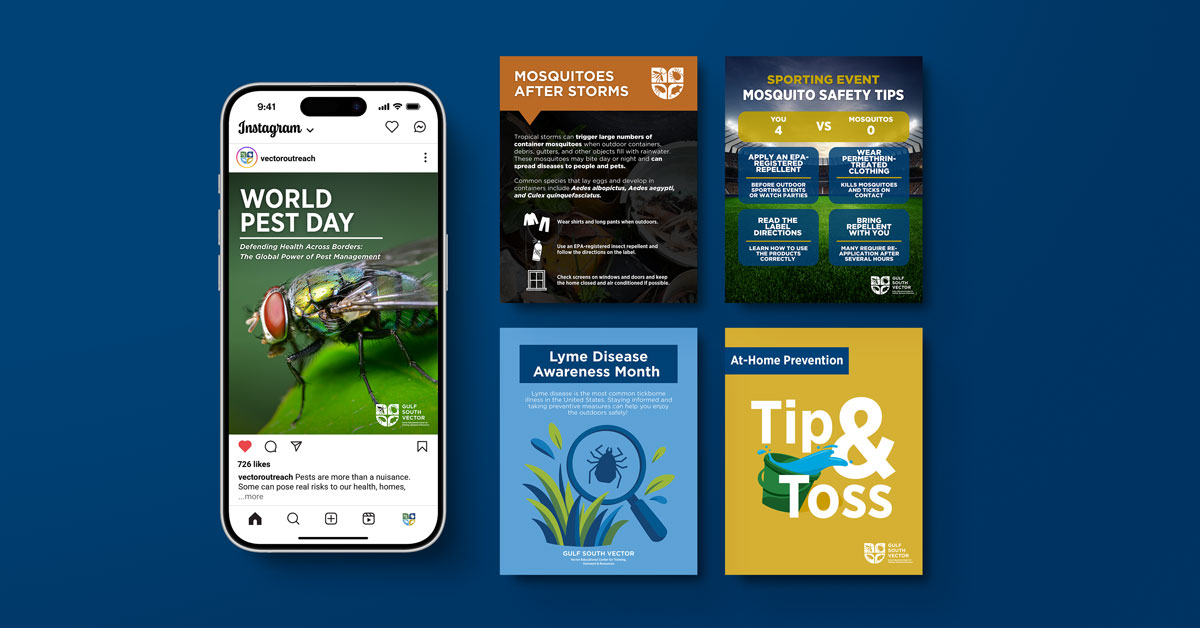
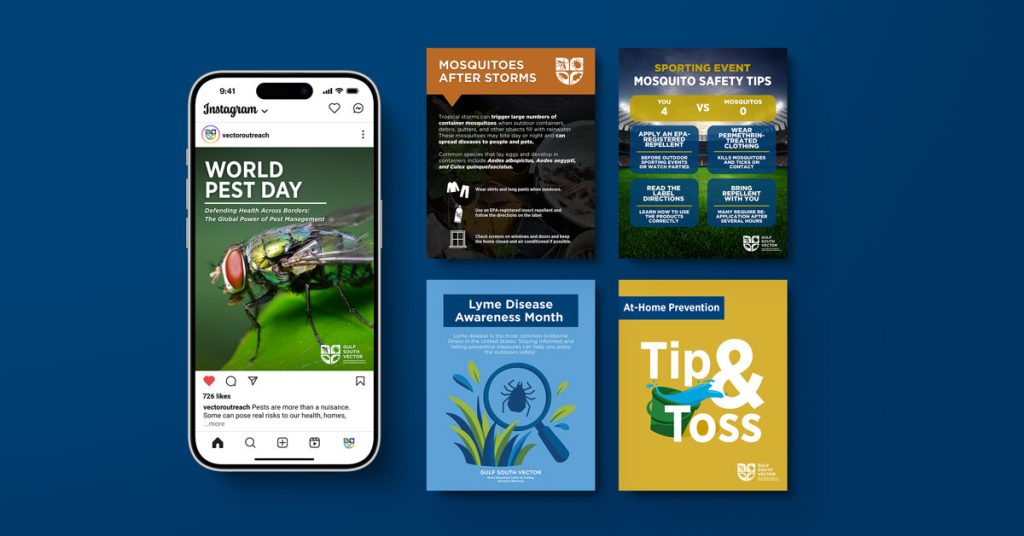
Posts with strong visuals consistently outperform text-only content across every platform. For public health organizations, this means leaning into branded graphics, infographics, and educational illustrations that are clear, eye-catching, and consistent.
● Maintain a cohesive look by using the same colors, fonts, and logo placement across all posts, building brand recognition over time. When someone scrolls past a Gulf South VECTOR post, they should instantly recognize it as ours before they even read it.
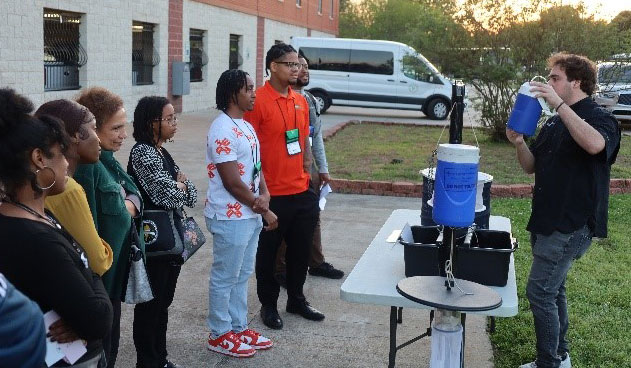
● Event photos, team pictures, and behind-the-scenes content also perform well because they add a human element to the work we do. Just make sure our logo is always included! Even a small logo placement in the corner goes a long way in making sure your audience knows who the content is coming from without having to look at your page.
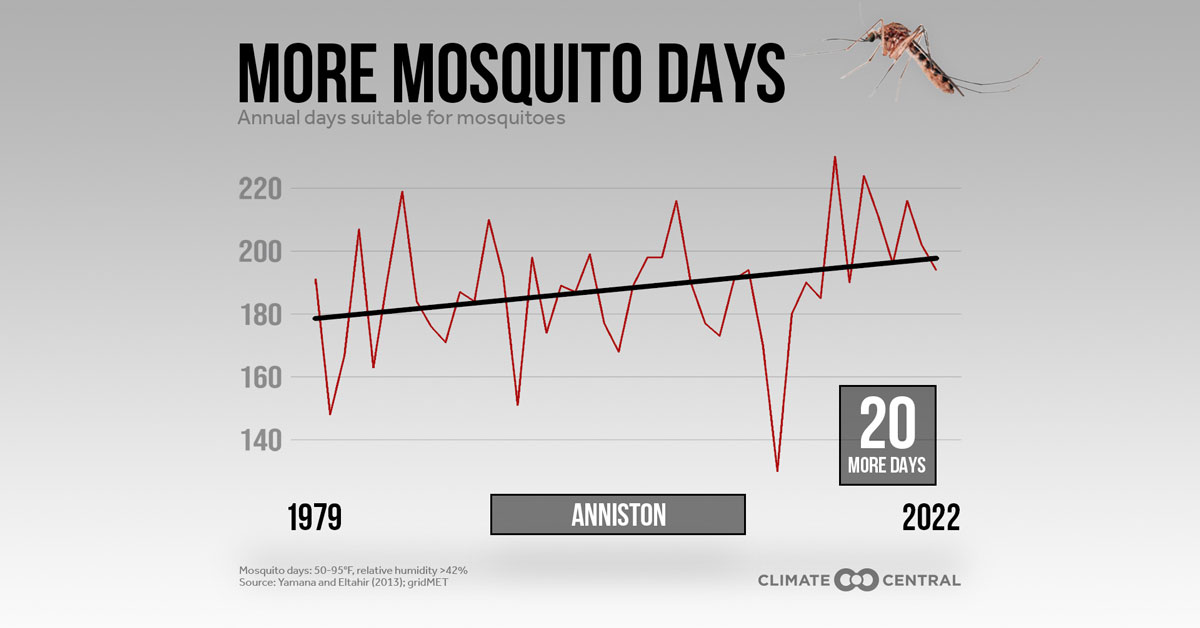
● Share clean, branded infographics with clear stats instead of typing long blocks of text. Don’t force someone to read through an entire paragraph to learn that tick populations are up by 40%. Chunk that information down. Writing “Up 40%” in giant font next to the image of a tick communicates your point to the viewer in less than a second.
Tip 4: Add in Saveable or Sharable Content
Social Media algorithms prioritize posts that people save for later or share with friends.
● Saveable content: Anything someone wants to come back to. Think checklists, step-by-step prevention guides, seasonal preparation tips, or pest identification charts. If someone sees your mosquito breeding site checklist in June, they are going to save it and pull it back up all summer long.
● Shareable content: Anything that makes someone think of a specific person or community. Breaking local health news, seasonal warnings, surprising insect facts, or a statistic that stops people in their tracks are all highly shareable. If someone reads your post and immediately thinks “I need to send this to…” you have done your job.
Tip 5: Engagement is a Two-Way Street
Posting is only the first step. Public health relies on trust, and trust is not built by broadcasting. It is built through conversation. Social media gives public health organizations the opportunity to meet their audience where they already are and actually talk with them, not just at them.
When someone comments on your post, respond. Even a simple acknowledgment shows your audience that there is a real person behind the account who genuinely cares about the conversation. When someone asks a question in the comments, answer it. That exchange is visible to everyone who sees the post and can be just as educational as the post itself.
There are also simple tools built directly into these platforms designed to spark engagement. Instagram and Facebook Stories allow you to add polls, question boxes, and quizzes that invite your audience to participate rather than just observe. Ask people what topics they want to learn about next. Quiz them on mosquito breeding habits. Run a poll about hurricane preparedness. These small interactions tell the algorithm your content is worth amplifying, and they tell your audience that their input actually matters.
At the end of the day, social media for Gulf South VECTOR isn’t about chasing viral trends or counting metrics. It is an extension of our fieldwork, our community outreach, and a tool for public safety. By implementing these best practices, we ensure that our digital presence is just as impactful as the physical work we do every single day.
Contributing Author
Anika Coleman
Senior Graphic Design Student
Virginia Polytechnic & State University