VECTOR
SPOTLIGHT


What Is Alpha-gal Syndrome?
Alpha-gal syndrome, or the red meat allergy, is gaining attention in popular media but it still may not be well understood. This is a tick-transmitted allergy to mammalian products, specifically to the carbohydrate galactose-𝛼-1,3-galactose (𝛼-gal). The sugar 𝛼-gal is not in humans but is in almost all other mammals including common food products like beef, pork, venison, lamb, goat, and rabbit, and even many medications that have mammalian ingredients including gelatin-based pills. After exposure to the sugar 𝛼-gal, the immune system releases high levels of IgE antibodies which can cause an anaphylactic reaction. There is currently no cure for this allergy (Thompson et al, 2023).
How Tick Bites Cause Alpha-gal Syndrome
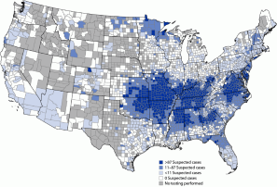
Humans obtain this allergy from the bite of certain tick species, although the exact mechanism is unknown. The bite can lead to a hypersensitivity to the sugar 𝛼-gal in humans. In the United States, tick species that transmit the sugar 𝛼-gal include the lone star tick Amblyomma americanum and the blacklegged tick Ixodes scapularis (Crispell et al, 2019). The Asian longhorned tick Haemaphysalis longicornis, which is invasive to the US, has been implicated in spreading alpha-gal syndrome in Asia but this remains undetermined in the US (Chinuki et al, 2016). Cases of alpha-gal syndrome are reported in all Gulf South states, especially in northern Mississippi and Alabama, and are heavily concentrated in regions of the US that also have the lone star tick (Thompson et al, 2023; US Centers for Disease Control and Prevention, 2025).

Symptoms and Diagnosis
Not all people who receive a bite from a tick that can transmit alpha-gal syndrome will get the allergy (US Centers for Disease Control and Prevention, 2025) and the first reaction can occur weeks or months after the tick bite (McGill et al, 2023). A reaction typically occurs three to six hours after consuming mammalian products (Commins et al, 2009). Reactions vary among patients but typically involve hives, anaphylaxis, and gastrointestinal issues (Wilson et al, 2019). The first documented death associated with an alpha-gal reaction occurred in 2024 (Platts-Mills et al, 2025). People who have frequent exposure to ticks are at a particularly high risk for getting alpha-gal syndrome, including hunters and forest workers (Benders-Guedj et al, 2023). It can take years for someone to be diagnosed with alpha-gal syndrome because this is not a widely known allergy in the medical community (Flaherty et al, 2017; Carpenter et al, 2023).
Preventing Tick Bites and Managing Alpha-gal Syndrome
You can protect yourself from alpha-gal syndrome by avoiding ticks. If you go outside wear an EPA-registered repellent, treat your clothing with 0.5% permethrin, protect pets from ticks with appropriate acaricide, and perform a tick check on yourself, clothes, pets, and gear, and shower after going outdoors (US Centers for Disease Control and Prevention, 2025). If you think you have alpha-gal syndrome, consult a medical professional. This allergy is a relatively new discovery (Commins et al, 2009) and only 5% of health care providers in a CDC survey felt very confident in diagnosing alpha-gal syndrome (Carpenter et al, 2022). Because of this, many patients must advocate for themselves. Bring resources for your medical professional when going into appointments such as those listed below. Some foods, medications, and certain vaccines contain mammalian products and could lead to a reaction in someone with alpha-gal syndrome. Unexpected products that can cause an alpha-gal reaction include the blood thinner heparin, the cancer drug Cetuximab, gelatin-containing vaccines such as MMR and Zostavax, and more (Platts-Mills et al, 2020).
Guidance for Healthcare Professionals
If you are a medical professional, keep up to date on information about alpha-gal syndrome. Many times, patients do not realize they had a tick bite and might not attribute new symptoms to a tick bite. There are no simple “rules” for diagnosing the disorder. Reactions are “consistently inconsistent,” oftentimes occur at night, and might only involve gastrointestinal symptoms (Platts-Mills et al, 2020). It is recommended to check serum IgE to alpha-gal if patients have unexplained GI issues such as abdominal pain, diarrhea, vomiting, etc., especially in regions where alpha-gal is prevalent (McGill et al, 2023). The websites below have a wealth of information and other resources linked within.
Additional Resources
Links to helpful websites on alpha-gal syndrome:
Contributing Author
Jaclyn Martin, Ph.D., Entomologist
City of New Orleans Mosquito, Termite and Rodent Control Board