
Gulf South VECTOR is proud to introduce this downloadable social media toolkit focused on source reduction, a simple and effective way to reduce mosquito populations and protect communities from mosquito-borne diseases.
Source reduction means identifying places where standing water collects—such as containers, toys, clogged gutters, and outdoor clutter—and reducing or eliminating them before mosquitoes can develop. Regularly checking yards and outdoor spaces, turning over water-holding items, maintaining outdoor fixtures, and properly storing materials that collect water are small actions that make a big difference for both homes and neighborhoods.
This toolkit is designed for organizations, agencies, and businesses across the region to support a shared goal: protecting communities through prevention-focused vector management. Each graphic is expert-vetted and ready to use, helping partners deliver clear, trusted messages about practical steps people can take to reduce mosquito risks.
- When posting on social media
- Use the #vectoroutreach hashtag
- Mention us @vectoroutreach
Source Reduction - General Tip

- Suggested Post Text
Source reduction for mosquitoes means identifying sources of standing water where mosquitoes develop and reducing or eliminating them. Regularly checking outdoor areas around the home and yard, turning over water-holding containers and toys, managing clutter, maintaining gutters and outdoor fixtures, and properly storing items that collect water can help protect your home and community from mosquitoes.
#vectoroutreach
- Download
Source Reduction - Gutters
- Suggested Post Text
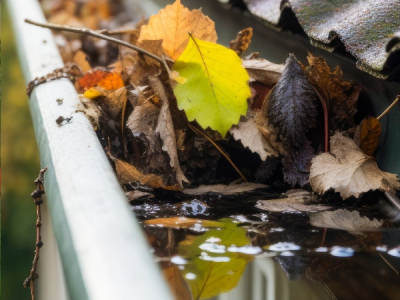
Clogged gutters tend to collect leaves and organic debris, blocking water flow and causing standing water. The organic debris also provides nutrients to the water, creating an ideal environment for mosquito larvae to develop. Regularly cleaning gutters and downspouts ensures proper water flow and helps prevent mosquito problems.
#vectoroutreach
- Download
Source Reduction - Birdbaths
- Suggested Post Text
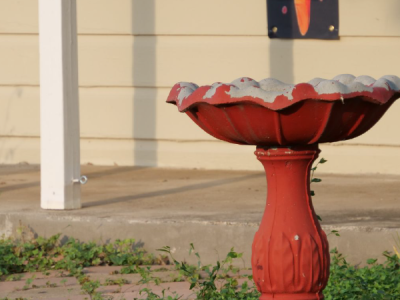
Bird baths are a common but often overlooked source of standing water where mosquito larvae can develop. Regularly cleaning, scrubbing, and refilling bird baths helps keep them safe for birds while reducing adult mosquito populations.
#vectoroutreach
- Download
Source Reduction - Outdoor Containers
- Suggested Post Text
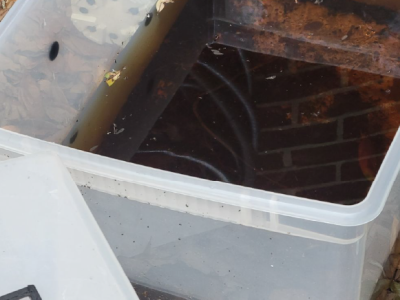
Outdoor storage containers can accumulate rainwater, especially if their lids are loose or if left uncovered. To prevent standing water and reduce mosquito problems around the home, empty outdoor containers. Turn containers upside down when not in use or store them in a covered area like a garage or shed.
#vectoroutreach
- Download
Source Reduction - Discarded Tires

- Suggested Post Text
Old or discarded tires often collect rainwater, leaves, and organic debris, creating a nutrient-rich environment ideal for developing mosquitoes. Properly disposing of tires, storing them under a cover or inside a garage or storage shed, and reporting illegal tire dumping can help reduce mosquito populations in your community.
#vectoroutreach
- Download
Source Reduction - Outdoor Toys

- Suggested Post Text
Children’s toys, like plastic pools and water tables, are often left outside after play and can quickly collect rain or irrigation water. Emptying water toys after use and storing them upside down, under a cover, or in a garage or shed helps prevent standing water and mosquito problems around the home.
#vectoroutreach
- Download
Source Reduction - Outdoor Plants

- Suggested Post Text
Some ornamental plants naturally trap rainwater and organic material in their leaves, creating habitat where mosquito larvae can develop. Plants like bromeliads should be flushed regularly with a hose to remove mosquito eggs and developing larvae.
#vectoroutreach
- Download


