Rare Disease Day is an annual global event held on February 28 (or February 29 in leap years) to raise awareness of rare diseases and the individuals and families affected by them. An estimated 300 million people worldwide are living with rare diseases. In the United States, a rare disease is defined as one that affects fewer than 200,000 people. Some rare diseases are vector-borne, meaning they are caused by bacteria, viruses, or parasites transmitted by living organisms, often biting arthropods such as ticks and mosquitoes.
This toolkit offers ready-to-use social media resources. Sharing this content helps raise awareness, deepen understanding, and support ongoing research and prevention efforts for rare diseases.
- When posting on social media
- Use the #vectoroutreach hashtag
- Mention us @vectoroutreach
Raising awareness and promoting change for the 300 million people worldwide living with a rare disease, along with their families and caregivers.
Bubonic Plague

- Suggested Post Text
Rare Disease Day highlights conditions and diseases that affect fewer than 200,000 people in the United States. Even illnesses we think of as historical, like the bubonic plague, still appear today, reminding us why awareness and early detection matter. Strong public health education helps protect our communities and makes a meaningful difference in safeguarding lives. Learn more about rare diseases and global awareness efforts at rarediseaseday.org.
#vectoroutreach #rarediseaseday
- Download
Powassan Virus
- Suggested Post Text
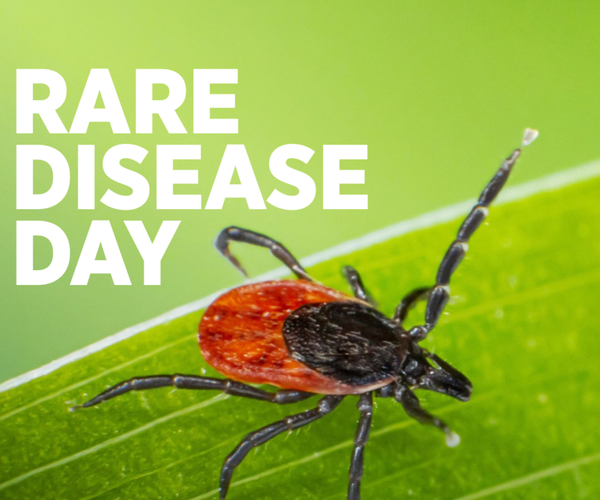
Rare Disease Day highlights conditions and diseases that affect fewer than 200,000 people in the United States. Powassan virus is a rare but serious tick-borne illness that can be transmitted in just minutes. With no vaccine or specific treatment and transmission mainly through blacklegged ticks, prevention begins with staying aware of tick habitats and reducing exposure to bites. Learn more about rare diseases and global awareness efforts at rarediseaseday.org.
#vectoroutreach #rarediseaseday
- Download
Leishmaniasis

- Suggested Post Text
Leishmaniasis is a parasitic disease spread by the bite of infected sandflies. It can cause skin, mucosal, or internal organ disease if left untreated. In the United States, cases are rare and usually travel-related. Understanding transmission and recognizing symptoms early are key to preventing and managing leishmaniasis. Learn more about rare diseases and global awareness efforts at rarediseaseday.org.
#vectoroutreach #rarediseaseday
- Download
Jamestown Canyon virus
- Suggested Post Text
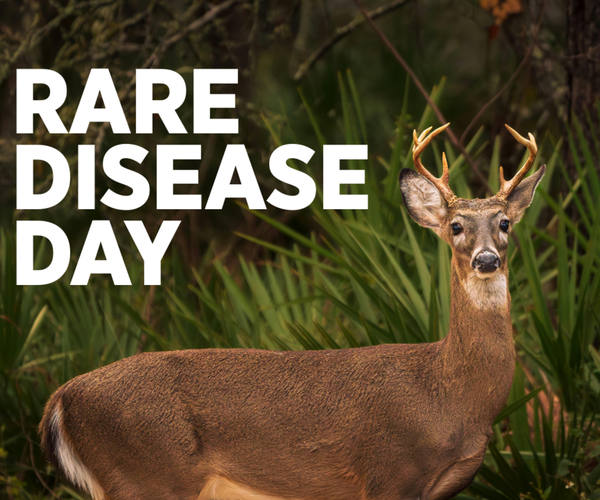
Rare Disease Day highlights conditions and diseases that affect fewer than 200,000 people in the United States. Raising awareness about Jamestown Canyon virus is important, even though cases are rare. Most infections cause few or no symptoms, but some can become serious. Staying informed and taking simple steps to prevent mosquito bites helps protect both people and wildlife. Learn more about rare diseases and global awareness efforts at rarediseaseday.org.
#vectoroutreach #rarediseaseday
- Download


